
Best Hiking Baby Carrier in 2026
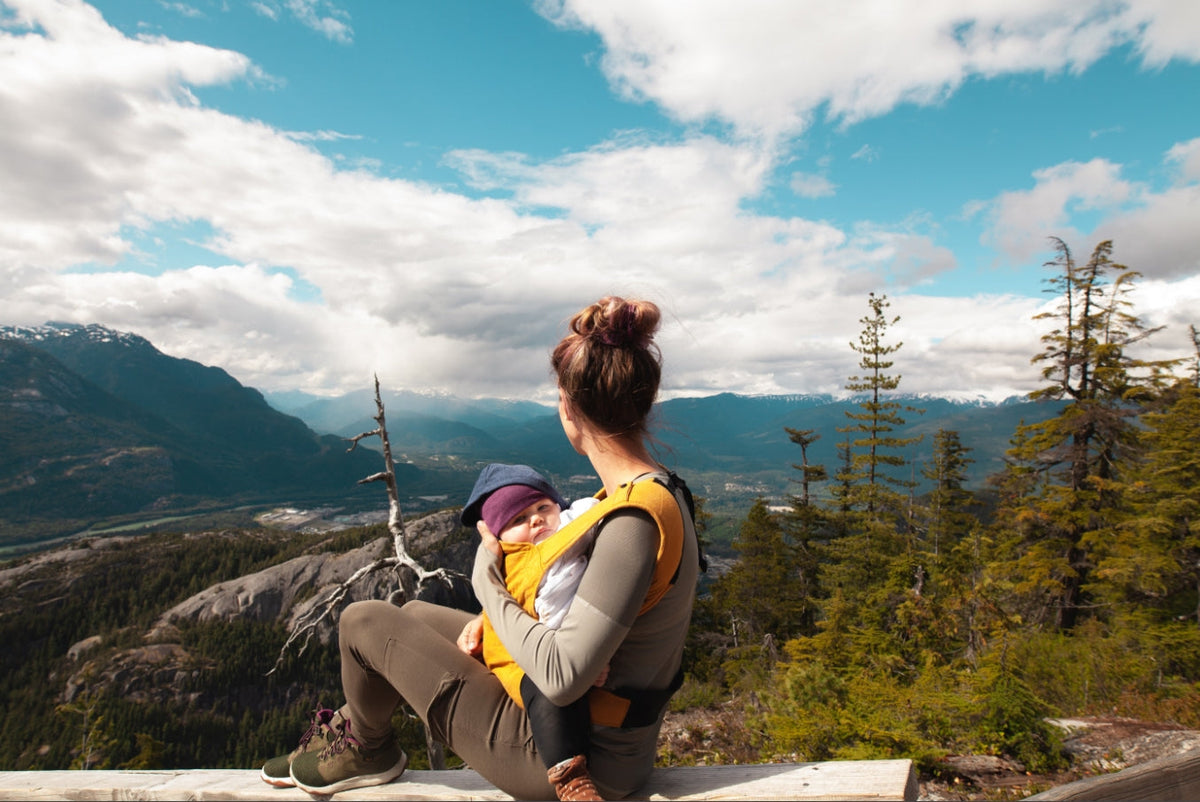
The best hiking baby carrier in 2026 keeps a child close, hips in a healthy seat, and weight off tired shoulders. A hiking baby carrier or child hiking pack should stay cool, fit more than one adult, and leave hands free on the trail. BabbleRoo's baby carrier covers early months through busy toddler years.
Families stepping up from short walks often look at the best toddler carrier for hiking once a child wants a higher seat and longer trail days. A well fitted baby hiking carrier keeps hips supported, shifts weight off the shoulders, and stays cool enough for two adults to share on the same outing.
Discover the best hiking baby carrier in 2026 - BabbleRoo!
What Makes a Hiking Baby Carrier Work on the Trail
A good hiking baby carrier does more than hold a child. It moves the load onto the hips, keeps the seat wide enough for an M-position, and lets a parent walk without a sharp pull on the neck. On uneven ground, that load path matters more than a long list of pockets.
Many parents start with a soft carrier for park paths and short loops, then want the same pack on steeper dirt. A light build helps. So does a waist belt that sits firm, padded straps that do not twist, and a panel that breathes when the day turns warm. A hiking baby carrier pairs those traits with a low pack weight, so the carrier itself is not the heavy part of the day. A breathable baby carrier keeps that same panel cooler when the climb turns sunny.
Look for these trail basics:
-
A waist belt that takes most of the weight
-
An M-position seat that supports hips and knees
-
Airflow in the body panel and along the back
-
A sun hood for naps and bright stretches
-
A fit that two adults can share without a full rebuild
-
Space for a bottle, a layer, and a snack
Framed packs still suit long, gear-heavy days. Soft structured carriers suit families who hike often but also use the same pack for walks, travel, and errands. The full set of baby carriers shows how a soft seat and a hip belt can cover both. A toddler carrier that grows from early months into the toddler years cuts the need for a second system. Parents comparing everyday options often start with a baby carrier that already has a wide seat and a washable body. The Grow Carrier sits in that same family, with a light build for repeated walks. An ergonomic baby wrap is the closer fit for the earliest weeks, before a structured seat takes over on dirt paths. Outdoor adventure tips line up with that shift from sidewalk to trail.
Fit, Safety, and Trail Comfort That Matter Most
Fit comes first. A carrier that slides, gaps at the waist, or pinches the shoulders will feel wrong before the first mile. Check torso length, hip size, and how the straps sit when the child is actually in the seat. Some families share one pack, so a wide waist range and simple strap slides matter. A baby carrier for dad needs that same wide belt, since two adults rarely share one torso length.
Safety on the trail is plain and strict. The child's face stays in view. The airway stays clear. The chin does not rest on the chest. Knees sit higher than the bottom in a supported seat. On rocky ground, a parent walks slower, uses poles if they already do, and skips steep scramble sections while a child is on the back. An infant carrier keeps that head support in place before a child can hold steady on their own.
Comfort for the child is just as real. A padded seat, a hood for sleep, and fabric that does not trap heat keep naps from turning into fights. For the adult, curved or H-style straps, a firm waist, and a panel that does not soak through make the return hike feel shorter. Parents who want a clear fit walkthrough can follow a toddler carrier tutorial before the first real outing. A guide on using a baby carrier covers the same tight, in-view, close-enough fit at home.
Age and readiness change the choice. Newborns need full head and neck support. Many babies do well in a supportive inward carry once they have steady head control. Outward and back carries wait until the child is older, seated well, and within the stated weight range. A baby hiking carrier guide is useful when a family is matching carry style to age and trail length. A newborn baby carrier belongs in those first months, while a baby carrier review helps once the child is heavier. The benefits of a baby carrier show up in that closer carry, from calmer naps to free hands on the path.
Best Hiking Baby Carrier in 2026
1. Babbleroo - Best Hiking Baby Carrier in 2026
Grow+ Carrier

Description (Grow+ Carrier):
Crafted for Comfort. Designed to Grow With You.
The Grow+ Carrier is a versatile, all-in-one baby carrier designed to grow with your child from newborn to toddler years (7–50 lbs). It offers secure, comfortable carrying for both parent and baby throughout every stage.
Why Parents Love It:
-
Grows With Them (7–50 lbs): From newborn snuggles to active toddler years
-
Safe by Design: Dual-Lock system with reinforced zipper plus safety buckle to keep the seat and panel securely connected
-
Cooler, Extended Comfort: Organic cotton-plus-mesh body and ventilated panel keep airflow moving so neither of you overheats
-
Smarter Storage: Under-seat compartment, expandable bottle pocket, and magnetic quick-access pouch for your phone and keys
-
Extra-Padded Curved Straps: Wide waist belt and curved straps shift weight to your hips, reducing shoulder strain
-
Removable Bib & Teething Pads: Easily detachable for quick washing - perfect for handling spit-up and drool
Made from:
-
Premium Organic Cotton + Mesh (breathable and ultra-gentle on baby’s skin)
Ready to carry with confidence and comfort? Add the Grow+ Carrier to your cart today and enjoy every moment with your little one.
Grow Carrier

Description (Grow Carrier):
Crafted for Comfort. Designed for Adventure.
Experience every cuddle, every stroll, and every giggle hands-free with the BabbleRoo Grow Carrier - thoughtfully designed to grow with your child from 3 to 24 months (7–50 lbs). Whether you’re running errands or exploring the outdoors, our carrier offers 6 ergonomic carrying positions to keep your baby secure and close, while giving your back and shoulders the support they need.
Why Parents Love It:
-
6-in-1 Carrying Options - From newborn snuggles to toddler piggybacks
-
Ergonomic Hip-Healthy Design - Promotes proper hip development
-
Ultimate Comfort for You - With padded shoulder straps, lumbar support, and breathable fabric
-
Adjustable Fit - One-size-fits-most (XS to XL)
-
Practical Details - Head support, padded leg openings, and a smart wrap with 3 convenient pockets
-
Machine Washable - Because life with little ones gets messy
Made from:
-
87% Polyester
-
13% Spandex (for that perfect stretch)
Need help using it?
Carry Closer. Bond Stronger.
With the BabbleRoo Carrier, every moment is a chance to connect effortlessly, comfortably, and confidently.
The On The Go Bundle

Description: (The On The Go Bundle):
Benefits
-
The full mobility toolkit - everything from newborn days through toddler years, all in one package
-
HopLite Travel Stroller: featherlight at 12.3 lbs, newborn-safe, folds in 2 seconds, TSA approved
-
Grow+ Carrier: 6-in-1 ergonomic design supporting 7–50 lbs with hip seat and built-in lumbar support
-
Original Diaper Bag: 19 smart pockets and water-resistant exterior - the organized companion for every outing
Bundles Include
-
HopLite Travel Stroller: Built for the smallest explorers. Newborn-approved and parent-friendly so every trip feels effortless and secure.
-
Grow+ Carrier: Keep baby close while staying hands-free. Soft, supportive, and comfortable for both of you.
-
The Original Diaper Bag: Roomy, functional, and polished - your go-to bag for keeping essentials sorted and adventures ready.
The Best of Both Bundle

Description: (The Best of Both Bundle):
Benefits
-
Two carry options, one seamless day - the full mobility kit ready for every stage
-
Grow+ Carrier: 6-in-1 ergonomic design in organic cotton, supports 7–50 lbs for cozy, hands-free closeness
-
HopLite Travel Stroller: only 12.3 lbs, newborn-safe, 2-second fold, TSA approved when baby needs room to stretch
-
Swap between carrier and stroller in seconds so you’re prepared for whatever the day brings
Bundles Include
-
Grow+ Carrier: Elevated carrying made simple. Soft organic cotton, dual-lock security, plus under-seat storage built for parents who pack it all.
-
HopLite Travel Stroller: Created for the smallest explorers. Newborn-approved and parent-friendly so every outing stays easy and worry-free.
The Carry It All Bundle

Description: (The Carry It All Bundle):
Benefits
-
Stay completely hands-free and organized - keep baby close while every essential stays right within reach
-
Grow+ Carrier: 6-in-1 design, ergonomic Hip Seat, organic cotton, under-seat storage, supports 7–50 lbs
-
The Flo Tote: 14 internal pockets, water-repellent shell, structured base - the capable companion bag that carries the load
-
Quick trips: carrier + under-seat pouch. All-day adventures: carrier + Flo Tote. Ready for either
Bundles Include
-
Grow+ Carrier: Advanced everyday carry. Soft organic cotton, dual-lock safety system, and convenient under-seat storage built for parents who pack it all
-
The Flo Tote: Soft yet structured and fully organized. The tote that takes on the heavy lifting without adding bulk
Families ready for trail days start with the BabbleRoo hiking baby carrier!
2. Deuter Kid Comfort

Deuter, based in Gerstetten, Germany, builds the Kid Comfort as a framed child carrier for families who want a padded cockpit on day hikes. The shoulder straps are thick, the waist belt hugs a wide range of hips, and the VariSlide torso system covers many adult heights, which helps when two parents share one pack. Kids sit in a soft seat with side harness straps, foot stirrups, and a sunshade that drops over naps. A kickstand holds the pack upright during loading and diaper stops, and the Aircomfort mesh back moves air on warm climbs. Storage sits in the day-hike range, enough for snacks, a layer, and a small kit, but not a full overnight load. The frame adds real stability on roots and rocks. It also adds bulk in the car and weight on short, flat loops where a lighter carrier would feel easier. Some children love the plush seat. Others want out sooner on hot days, even with the mesh panel. Parents who hike a few planned trails each month tend to like the steady ride and the way the belt takes the load off the neck. Parents who also want the same pack for errands, airport walks, and quick park loops often find the frame is more pack than the day needs. The side exit helps when a diaper change cannot wait for a full unload, and the top opening helps when a child is ready to climb down at the viewpoint. Pocket access is handy for a bottle, though the main compartment is still a day-size space, not a place for a full family kit. It is a strong trail tool for set hikes, and a less handy choice for families who want one light carrier for every kind of walk.
Key features:
-
Adjustable torso and a wide, padded hip belt
-
Sunshade, foot stirrups, and a locking kickstand
-
Side and top access to the child seat
-
Mesh back panel for airflow
Facts and information:
-
Built as a framed day-hike carrier with a soft child cockpit
-
Gear space sits in the day-hike range rather than overnight size
-
Fit system aims at a wide span of adult heights
-
Kickstand helps during loading and diaper stops
3. Osprey Poco Premium

Osprey, based in Cortez, Colorado, makes the Poco Premium for parents who want a full suspension pack and room for a long day of gear. The child harness comes out for washing, the sunshade carries UPF protection, and the torso and hip belt adjust across a broad range. That shared fit is a real plus when two adults trade the load at the turnaround. Storage is large enough for layers, food, and water, so many families leave the extra daypack at home. The frame stands on its own, which makes loading a squirmy toddler easier than with a soft carrier that collapses. The tradeoff is weight and size. The pack is heavier than a soft carrier, and the frame takes trunk space on the drive to the trailhead. On a short neighborhood loop, that structure can feel like more pack than the walk needs. On a full dirt day with snacks, jackets, and a change of clothes, the space earns its keep. Parents who hike rarely may find it sits unused between trips. Parents who hike often tend to accept the bulk because the suspension stays comfortable once the hip belt is set. The washable harness is a practical detail after sticky snacks and trail dust. Rain cover options exist as an add-on for wet weather, which means a surprise shower still needs a plan. The high storage volume is the main reason families pick this pack over a lighter frame. It is less convincing if the goal is a carrier that also works for daily life, since the size and weight stay with you even when the trail is only a short loop.
Key features:
-
Adjustable suspension for torso and hips
-
Removable, washable child harness
-
Included sunshade with UPF protection
-
Large main compartment and multiple pockets
Facts and information:
-
Aimed at all-day hikes with room for family gear
-
Freestanding frame with a stable base
-
Fit range covers many adult body sizes
-
Heavier build than lightweight framed options
4. Kelty Journey PerfectFIT Elite

Kelty, based in Boulder, Colorado, designs the Journey PerfectFIT Elite around a metal roll-cage frame and a wide child seat. Adjustable foot stirrups, a sunshade, and a hydration-ready sleeve suit longer walks where a parent wants water close and a child wants a place to rest tired feet. Storage is generous, with several external pockets for snacks and layers, so the main compartment can stay for bulkier items. The PerfectFIT suspension is meant to be shared between caregivers, which matters on out-and-back hikes when the load should switch at the halfway point. The pack is on the larger side, so tight car trunks and crowded trailheads take planning. Airflow is solid for a framed carrier, though a full load still feels like a real pack on the shoulders until the hip belt is set right. Families who pack light may not fill the space. Families who bring a full kid kit, from wipes to an extra layer, usually will. The roll cage adds a sense of structure around the child, which some parents like on bumpy ground. It also makes the pack taller and harder to slide into a small trunk beside a stroller. Stirrups help once a child is tall enough to use them, and they matter less in the early months. Pocket count is a strength on snack-heavy days. Weight and bulk are the limit on short, hot walks. It is a capable day-hike carrier, and a bulky one for quick trips or travel days.
Key features:
-
Roll-cage frame and wide child seat
-
Adjustable stirrups and integrated sunshade
-
Hydration compatibility
-
Multiple external pockets
Facts and information:
-
Storage sized for longer day hikes
-
Suspension built for more than one wearer
-
Seat and stirrups adjust as a child grows
-
Bulk is the tradeoff for the extra gear room
5. Osprey Poco LT

The Poco LT is Osprey's lighter framed option for families who count every bit of pack weight. It keeps an internal frame, a sunshade, and enough storage for a day without the full bulk of the Premium. The fit still adjusts at the torso and hip belt, so two adults can share it with a short strap reset. Parents who hike often, or who travel to the trailhead, tend to like how it packs down relative to bigger child carriers. It carries less gear than the Premium, so a separate bag may still come along on bigger days. The lighter build is welcome on climbs and on the walk back, when a tired parent feels every extra pound. It is less ideal if the plan includes a full change of clothes, a bulky jacket, and a large snack kit. For many weekend trails, the smaller storage is enough. For gear-heavy days, it asks the parent to edit the kit. The frame still needs car space, just less of it than a full-size child pack. Sun coverage is there for naps, and the seat stays secure on moderate dirt. Parents who want one pack for both a long ridge walk and a grocery stop will still feel the frame. Parents who want a framed ride without the heaviest child pack in the category often land here. The missing volume shows up late in the day, when the extra layer no longer fits and has to be tied on or handed to the other adult.
Key features:
-
Lighter internal frame than full-size child packs
-
Adjustable torso and hip belt
-
Sunshade and day-hike storage
-
Simpler setup for travel days
Facts and information:
-
Built for outings where pack weight matters
-
Gear space sits between a soft carrier and a large framed pack
-
Fit range still covers a wide adult range
-
Less overflow room for bulky layers
6. Thule Sapling

Thule, based in Malmö, Sweden, offers the Sapling as a framed child carrier with a clean, parent-friendly layout. The seat, sunshade, and suspension aim at day hikes and light overnight use for families who pack carefully. Adjustable parts help two adults share the carrier, and the padded child area keeps a nap from feeling like a hard perch. The frame is sturdy, and the base stays stable when the pack is set down for a snack or a diaper change. It is still a framed pack, so it is less handy for quick errands or short flat walks than a soft carrier. Some parents like the simple loading, then wish for more pocket splits on snack-heavy days. The storage works for a planned outing if the kit stays tidy. It feels tight if every layer and toy comes along. On moderate trails it carries well. On very short loops, the frame can feel like extra structure the walk did not need. The clean layout is easy to learn, which helps a first trail day. It is less forgiving if the family packs loosely and expects many outside pockets. Light overnight use only works when the rest of the camp kit is already very small. Most families will treat it as a day pack with a stable child seat. The stand helps at the trailhead, and the sunshade helps once the tree cover thins. Bulk remains the main limit next to a soft carrier that folds into a tote.
Key features:
-
Framed suspension with an adjustable fit
-
Padded child seat and sunshade
-
Layout aimed at day hikes
-
Stable base when the pack is set down
Facts and information:
-
Suited to day hikes and very light overnights
-
Adjustable enough for shared use
-
Frame adds support and also adds bulk
-
Pocket layout is simpler than some rivals
7. Kelty Journey Signature

The Journey Signature uses Kelty's PerfectFIT idea in a slightly simpler package than the Elite. An aluminum-style frame, adjustable seat, foot stirrups, and a sunshade cover the core trail needs without the biggest pocket count in the line. Parents who want one pack for mixed body sizes often like the fit range, since a quick slide can move the load from one adult to the other. Storage is useful for a day, with room for water, a layer, and snacks, and less overflow space than the Elite. On hot, long climbs, ventilation is good but not the airiest in the category, and the frame still needs car space. The child seat is secure, and the stirrups give growing legs a rest. It suits families who want a real hiking frame and do not need every extra pocket. It is less convincing for parents who mostly walk flat paths and want a pack that disappears into daily life. Loading is straightforward once the kickstand is down, and the seat adjustment helps as a child moves from early sitting into a taller toddler stage. The simpler pocket map means a parent has to pack with a plan, or small items sink to the bottom. Shared fit is the feature that keeps it in the conversation for couples. Weight and car space are the features that push some families toward a soft carrier instead. For a set day hike, it does the job. For a week of mixed walks, it can feel like too much pack.
Key features:
-
Adjustable suspension for shared wear
-
Child seat with stirrups
-
Integrated sunshade
-
Day-hike storage
Facts and information:
-
Fit system built for more than one caregiver
-
Seat adjusts as the child grows
-
Storage covers snacks, layers, and water
-
Simpler feature set than the Elite model
8. Chicco Smart Support

Chicco, part of Artsana in Grandate, Italy, makes the Smart Support for families who want a framed hiking carrier with familiar baby-gear styling. An aluminum frame, a sun canopy, and a kickstand cover the basics for park trails and easy loops. The seat is supportive for moderate walks, and the canopy helps on bright stretches when a nap hits. Adjustability is useful, though the fit range is not as wide as some outdoor-brand packs, so a very tall and a very short adult may not share it as cleanly. Storage is fine for a short day and tight for a full family kit. Parents who already own other Chicco gear often find the setup familiar. Parents coming from specialty hiking packs may want a wider torso range and more pocket splits. It works well when the trail is smooth and the outing stays short. It is a weaker match for long, rooty climbs with a heavy snack kit. The canopy is the feature many parents notice first, since a nap in direct sun is hard without shade. The kickstand helps at playground edges and trailhead benches. On a real descent with rocks, the simpler suspension does not move with the body the way a longer-travel hiking frame can. That is fine for greenways and easy park paths. It is the reason some families outgrow it once weekends turn into longer dirt miles. Storage limits show up at the same time, when the spare outfit no longer fits beside the water.
Key features:
-
Aluminum frame and kickstand
-
Sun canopy
-
Supportive child seat
-
Straightforward loading
Facts and information:
-
Aimed at easy trails and family walks
-
Canopy helps on bright days
-
Storage fits a short outing
-
Less torso range than specialty hiking packs
9. Deuter Kid Comfort Active

The Kid Comfort Active is Deuter's airier take on the same family of carriers. Mesh and an open back panel help on hot trails, which is the main reason families pick it over the plusher standard model. The child seat, sunshade, and stirrups stay in place, and the torso adjustment still covers many heights. Storage is day-hike sized, enough for the usual kit and not a bulky overnight setup. Parents in warm climates often prefer this airflow, especially on exposed climbs where a solid back panel would hold heat. The seat is a bit less plush than the standard Kid Comfort, so some toddlers notice the difference on long sits. The pack remains a framed unit that is awkward in small cars and heavier than a soft carrier. For summer trail days it earns its place. For cool, short walks, the extra venting matters less than the frame weight. The open back is the feature that separates it inside the Deuter line. Families who hike in dry heat tend to accept a slightly firmer seat in exchange for that air. Families who hike in cool forest may not notice the venting enough to give up the plusher cockpit. Shared fit still works across many adult heights. Car bulk does not change. It is a warm-weather framed pack, not a do-everything carrier for errands and travel.
Key features:
-
Open, airy back panel
-
Adjustable torso fit
-
Sunshade and foot stirrups
-
Day-hike pocket layout
Facts and information:
-
Built for warm-weather hikes
-
Fit range stays broad
-
Child seat is secure, with less plush padding
-
Frame size matches other Deuter child carriers
10. Osprey Poco Soft

The Poco Soft is Osprey's soft-sided child carrier for parents who want a closer carry and less frame. Padding and structure still support a child, and the pack is easier to stow than a full hiking frame, which helps on travel days and in small cars. It suits flatter paths, travel days, and short trail walks where the goal is closeness more than a huge gear haul. On long, steep hikes with extra gear, it does not shift weight the way a framed pack or a strong hip-belt soft carrier can. Sun protection and storage are present, but both are modest, so a parent may still carry a small extra bag. The softer build is kinder for quick on-and-off stops. It is less steady as the only pack on a rooty descent with a heavier toddler. Many families like it as a second carrier. Fewer want it as the only trail pack. The closer seat can help a child who naps better against a parent than in a tall cockpit. That same closeness holds heat on exposed climbs. Packing it into a suitcase is easier than packing a frame, which is why travel families keep it. Trail families who also need bottles, layers, and wipes in the same unit usually want more pocket space and a firmer waist. It fills a gap between a daily soft carrier and a full hiking frame, without fully replacing either one.
Key features:
-
Soft-sided build with supportive padding
-
Easier to pack than a framed carrier
-
Child seat for closer carries
-
Light storage for short outings
Facts and information:
-
Better for short trails than long climbs
-
Lower bulk for travel
-
Less load transfer than a firm hip-belt system
-
Useful as a second pack, less ideal as the only trail pack
11. ClevrPlus Cross Country

ClevrPlus builds the Cross Country as a foldable framed child carrier aimed at day hikes and travel. A one-piece frame, a five-point style belt with stirrups, a sun canopy, and a rain cover give it a full set of trail extras in one box. The seat is roomy enough for many toddlers, and the fold helps when the trunk is already full. Parents who want canopy coverage and a cover for surprise weather often like that bundle. The fit range is useful, though it is not as refined as the big outdoor brands on torso slide and hip shape. The pack can feel bulky once it is open, even if it folds for the car. Airflow is fair, and on hot climbs the canopy helps the child more than the parent. It is a practical all-in-one for families who want frame support without a specialty-shop setup. It is less polished on long miles than the better-known framed packs. The included rain cover is the detail that stands out, since many rivals sell that piece apart from the pack. Folding helps a small car, then the open frame still needs a clear spot at the trailhead. Seat room is a plus for a bigger toddler and can feel wide for a smaller child. Strap tuning gets the job done for many adults and feels less precise when two very different body sizes share the load. For a first hiking carrier, the bundled covers are appealing. For repeated long trails, the fit and airflow are the parts families notice next.
Key features:
-
Foldable frame with a child seat and stirrups
-
Sun canopy and rain cover
-
Day-hike storage
-
Five-point style child belt
Facts and information:
-
Aimed at day hikes and car travel
-
Frame folds to save trunk space
-
Weather covers come in the set
-
Fit tuning is simpler than premium hiking frames
12. LittleLife Freedom

LittleLife, a UK brand, makes the Freedom line as a framed child carrier for family day hikes. The pack uses a supportive frame, a sunshade, and a child seat with stirrups, and later versions add more back padding for the parent. Storage covers a day kit, with pockets for bottles and small layers. The design is straightforward, which many first-time trail parents like. Adjustability covers a fair range of adults, though very different body sizes may not share it as cleanly as a pack with a long torso slide. The frame adds stability and also adds bulk. On easy woodland paths it carries well. On long, hot climbs, ventilation is average, and the pack weight is noticeable next to a light soft carrier. It is a solid weekend option for families who want a classic framed seat. It is less flexible for daily wear once the hike is over. Back padding helps the parent on a longer loop, and the sunshade helps the child once the path leaves the trees. Bottle pockets keep a drink in reach, which matters more than a huge main compartment on a half-day walk. The simple layout is easy to pack and easy to overstuff. Shared use works for many couples and gets less smooth when one adult is much taller. Car space is the usual framed-pack limit. Families who hike a few easy trails a month often stay happy with it. Families who want one carrier for trails and Tuesday errands usually move on.
Key features:
-
Framed child seat with stirrups
-
Sunshade and day storage
-
Parent back padding
-
Simple loading layout
Facts and information:
-
Built for family day hikes
-
Storage fits a standard trail kit
-
Frame supports the child and adds bulk
-
Shared fit is good, not the widest in the category
13. Beco Toddler Carrier

Beco makes a toddler carrier for older kids who still want a ride on longer walks. The wide seat, outdoor-leaning build, and sleeping hood aim at parents who already like soft carriers and need more support once a child passes the infant stage. It can work on moderate trails if the parent likes a close carry and packs light. It does not have a hiking frame, a kickstand, or a large gear sack, so snacks and layers need a small extra bag or a hip pocket. The seat is roomy, which helps hip position for a bigger child. The load still sits closer to the body than in a framed pack, and that can feel tiring on steep, long descents. Families who want one soft carrier for toddlers and light trails often like it. Families who want bottles, jackets, and wipes inside the same pack usually need more storage. The hood is useful for a nap on a shaded path and less useful in hard sun without extra shade. Strap padding helps on a long walk around town. On a rooty trail, the lack of a frame means the parent manages balance alone. That is fine at a moderate pace. It is the reason this pack fits easy dirt better than a long ridge. Washability is a plus after snacks. Gear space is the gap. It belongs with families who already carry a small bag and want the child close, not with families who need the carrier to hold the whole day.
Key features:
-
Wide seat for older toddlers
-
Sleeping hood and head support
-
Soft structured build
-
Outdoor-oriented strap layout
Facts and information:
-
Made for toddler carries more than newborn use
-
No frame or large gear compartment
-
Close carry suits moderate paths
-
Extra bag often needed for a full trail kit
14. Tula Toddler Carrier

Tula's toddler carrier is a soft structured pack for bigger kids, with a wide seat and padded straps meant for longer wears around town and on easy paths. Parents who already use a Tula for infants often move to this once the child outgrows the standard size. The hood helps with naps, and the waist belt takes a share of the weight when it is fitted well. On a smooth trail it can work for a while. On a steep, gear-heavy hike it lacks the storage, frame, and airflow layout of a dedicated hiking pack. The fabric options are broad, which some families love for daily use. Trail dirt and snack mess mean washability matters, and soft carriers in this style usually handle a machine wash better than a big framed pack. It is a strong toddler carrier for life around town. It is a partial match for real trail days. The wide seat supports a heavier child in a healthier position than a narrow sling, and that matters on any walk longer than a few blocks. Heat builds on exposed climbs because the body panel sits close. Pocket space stays small, so a bottle and a layer often live in a second bag. Parents who want a familiar soft-carrier feel on a rail-trail will be content. Parents who want stirrups, a kickstand, and a real gear compartment will not find them here. It extends an everyday carry system. It does not replace a hiking setup.
Key features:
-
Wide toddler seat
-
Padded waist and shoulder straps
-
Hood for naps
-
Soft structured body
Facts and information:
-
Sized for toddlers rather than newborns
-
Better for walks and easy paths than long climbs
-
Limited built-in gear storage
-
Close fit can feel warm on hot, exposed trails
15. Ergobaby Omni Deluxe

Ergobaby, long known for soft structured carriers, offers the Omni Deluxe as a multi-position pack from early months into toddler years. Lumbar support, a hood, and several carry positions make it a daily carrier that some parents also take on short hikes. The waist belt and padded straps help on walks of moderate length. It is not a framed hiking carrier, so there is no kickstand, no large trail compartment, and less airflow than a mesh hiking panel on a hot climb. Forward-facing time should stay limited, as with any outward seat. For a flat rail-trail or a short loop, many parents are happy with the close fit. For a rooty descent with a heavy toddler and a full kit, the lack of frame and storage shows. It remains a versatile everyday carrier that can join an easy hike, not a pack built only for the trail. The lumbar pad is the part parents notice on longer wears, since it spreads some of the pull across the lower back. Multiple positions help at home and on errands. They matter less once the trail asks for one stable back carry and free hands. Storage stays in the small-pocket range, so wipes and a snack fit, and a jacket often does not. Washable fabric helps after a messy outing. Heat and pack volume are the limits on a summer ridge. Families who already live in this carrier can bring it on an easy path. Families building a trail kit usually want a firmer hip shift and more room.
Key features:
-
Several carry positions
-
Lumbar support and padded straps
-
Hood and structured seat
-
Fit from early months into toddler years
Facts and information:
-
Everyday carrier that can join short trails
-
No hiking frame or large gear bag
-
Lumbar pad helps on longer wears
-
Warmth builds on exposed climbs
How to Match a Carrier to the Hike
The trail type should pick the pack, not the other way around. Flat greenways and short loops reward a light soft carrier with a firm waist and a cool panel. Rolling dirt, roots, and longer days reward either that same light carrier with a strong hip belt, or a framed pack if the family also hauls a full kit. A toddler carrier for hiking write-up splits those shorter loops from the longer dirt days.
A simple match looks like this:
|
Hike style |
What helps most |
Pack style that fits |
|
Park loop, under an hour |
Light weight, easy on and off |
Soft carrier with hip belt |
|
Shady dirt trail, half day |
Airflow, sun hood, bottle pocket |
Soft or light framed carrier |
|
Hot, exposed climb |
Mesh panel, hood, sip access |
Airy soft carrier or vented frame |
|
Two adults sharing the load |
Wide waist range, simple straps |
Adjustable soft or framed pack |
|
Gear-heavy day |
Large storage, stable frame |
Framed child carrier |
|
Travel plus a short hike |
Low bulk, washable fabric |
Soft carrier that packs flat |
Weather changes the same choice. A hood blocks sun and light wind. A mesh panel matters more than extra pockets once the temperature climbs. On cool mornings, a small layer in a side pocket beats a huge main compartment that goes unused. Families who already pack a travel diaper bag can keep wipes and a spare outfit there, and keep the carrier pocket for the bottle. A diaper bag for travel plays that same role on the drive to the trailhead.
Paved starts and dirt finishes need two tools. Travel strollers cover the flat approach, and lightweight strollers fold into a small trunk once the path turns rough. The wider stroller set stays with the car. A family road trip often ends in that same mix, with the stroller for town and the carrier for the short trail at the stop. Baby carrier recommendations sit next to that plan when the hike is the main event and the bag is only backup.
What to Pack When a Child Is on Your Back
The carrier is only half of the kit. A short trail still needs water for the adult, a bottle or snack for the child, a dry layer, and a simple plan for a diaper change. Many parents clip a small pouch to the hip belt so they are not twisting around for every sip. Diaper bag essentials cover that small kit without a second full pack.
Smart add-ons stay small:
-
Water for the adult and a drink for the child
-
A snack that does not melt into the seat
-
A light layer and a sun hat
-
Wipes and a spare diaper
-
A compact changing surface for trailhead stops
A portable changing mat keeps that stop off the dirt. A portable changing pad does the same job at a trailhead bench or a car bumper. Dry wipes pack flatter than a wet pack and do not dry out in a warm pocket. A short note on dry wipes and wet wipes helps when the trail day is long and the bag is small.
On days that start with a stroller path and end on a trail, a compact travel stroller can cover the paved part, then stay in the car. The carrier takes the dirt. Parents who want a bigger kit for the car often use an original diaper bag as the base bag and keep the carrier pocket light. An XL diaper bag holds the extra layer and the snack backup. A diaper caddy keeps bottles and wipes sorted in the trunk. Packing essentials map that same list for a day away from home. Small extras from baby gear accessories fill the gaps a carrier pocket cannot.
FAQ
What is the best hiking baby carrier for short trails?
For short trails, the best hiking baby carrier is usually a light soft pack with a firm waist belt, an M-position seat, and a panel that breathes. A park loop or a shaded dirt path under an hour does not need a tall frame, a kickstand, or a huge gear sack. It does need a seat that stays put, a hood for naps, and straps that do not dig in on the way back. Pack weight matters on these walks, because the carrier itself should not be the heavy part of the day. A 2.29-pound build, organic cotton and mesh, a waist fit up to 50 inches, and a seat rated from 7 to 50 pounds cover that short-loop job without a metal frame in the trunk. Airflow keeps the panel cooler once the path leaves the shade and the fabric sits against a warm back. Hip support, a sun hood, and a pocket for a bottle cover the rest of a short outing. Parents who also use the same pack for errands get more trail days out of it than from a frame that stays in the closet between big hikes. Easy on and off, a machine-washable body, and straps that two adults can reset without a full rebuild are the details that make a short-trail carrier stick around. A roundup of the best baby carriers sits next to that same fit check for families still matching seat width and pack weight to everyday walks.
When can a baby ride in a hiking baby carrier?
A baby can ride in a hiking baby carrier once head and neck control match the carry style, and once the weight sits inside the carrier's stated range. Inward carries with full head support come first. Outward and back carriers wait until the child is older, seated well, and able to hold a clear airway for the whole walk. Many families begin with easy, flat paths and add hills only after the fit feels calm for both people. The earliest months still need a panel behind the neck, before a structured hiking seat takes over. Knees should sit above the bottom in an M-position once the child is in a firmer seat. Face in view, chin off the chest, and a clear airway stay non-negotiable on every trail. A newborn baby carrier wrap is the closer match before that head control is steady. A structured seat takes over once the child is heavier and the path gets longer. Readiness is not only an age. A child who can hold the head up at home may still need a slower pace, more shade, and a shorter loop on the first dirt walk. The carrier range of 7 to 50 pounds covers that growth only if the carry position still matches the child's neck, hips, and airway.
Is a framed hiking baby carrier better than a soft one?
A framed hiking baby carrier is better when the day is long and the gear pile is large. A soft one is better when the family wants low weight, easy washing, and one pack for trails and daily life. Both can hold a child safely if the seat, harness, and weight limit are right. The better pick is the one that gets used on ordinary weekends, not only on big planned hikes. A soft structured build covers park loops and moderate dirt without a frame in the trunk. A lighter carrier around 1.96 pounds, with a hip belt that takes the load off the shoulders, packs flatter than a metal frame and still holds an M-position seat. Framed packs still help when the family hauls layers, food, and water for a full day, or when a kickstand makes loading easier. Soft packs win when the same adult wants the carrier for a trail, a travel day, and a walk around town. Washable fabric and a wide waist range often matter more on repeated short hikes than extra storage that stays empty. Heat, car space, and how often the pack will actually leave the house decide the rest. The wider set of baby gear shows how a soft seat, a small bag, and a stroller can split those jobs instead of asking one framed pack to do every outing.
How should parents share one hiking baby carrier?
Parents share one hiking baby carrier by choosing a wide waist range and straps that slide without a full rethread. Each adult should test the belt on the hips with the child loaded, then set shoulder straps so the pack does not sag. A quick note of each person's strap setting saves time at the trailhead. If the belt cannot sit firm on both people, the pack will favor one wearer and tire the other. Two adults rarely share one torso length, so the belt and the panel both need to move. A waist that reaches up to 50 inches makes the handoff simpler on an out-and-back hike. The belt should sit on the hips, not the stomach, so the child weight drops down instead of pulling on the neck. Shoulder straps should feel even, and the chest clip should keep them from sliding off during a descent. Baby carrier wrap instructions lay out that same tight, even fit in plain steps before a family tries to trade the pack mid-trail. Torso length matters as much as hip size. A tall adult and a shorter adult can share one pack only if the panel and straps move, not if the fit is locked to one body. Loading on a flat spot, checking the child's face, and switching before either adult is tired keeps the shared hike safer.
What should go in the kit besides the hiking baby carrier?
The hiking baby carrier holds the child, and a small kit still has to cover drinks, a layer, and a diaper stop. Water for the adult, a bottle or snack for the child, wipes, and a spare outfit cover most short trails. A huge sack is less useful than a pocket the parent can reach without twisting. A changing mat keeps that stop off the dirt at a trailhead or a car bumper. Backup clothes can live in a bag so the carrier pocket stays free for the bottle. Dry wipes pack flatter than a wet pack and do not dry out in a warm side pocket. A sun hat, a light layer, and a snack that will not melt into the seat round out the list. A wide top diaper bag gives that backup kit a wide opening, which helps when a parent needs a spare outfit without unpacking the whole bag at the trailhead. On a cool morning, the layer rides in a side pocket. On a hot climb, the hood and a drink matter more than extra clothes. A caddy can keep the backup kit sorted in the car so the trail pocket stays light. The carrier does the holding. The small kit covers the stop, the sip, and the weather change.
