
Baby Hiking Carrier in 2026
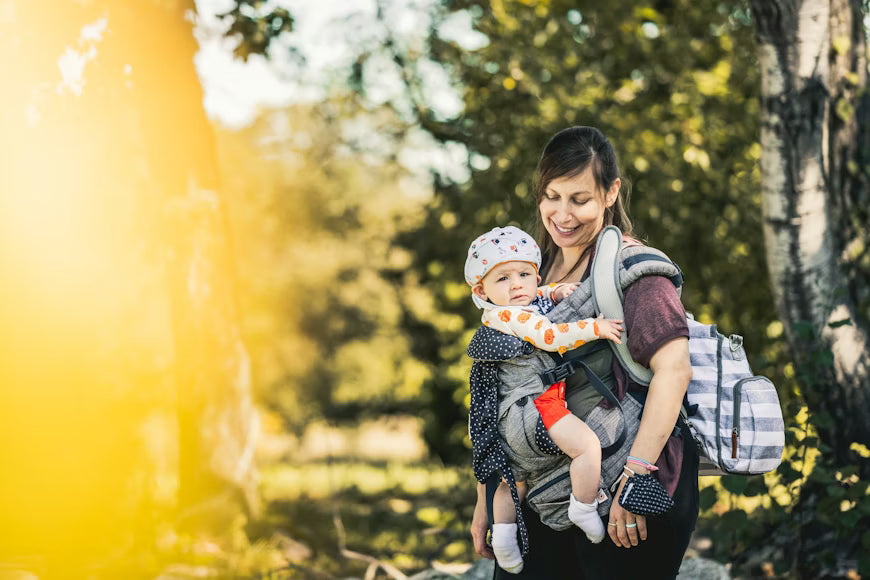
Hiking with a baby opens up new ways to bond and enjoy nature. A good baby hiking carrier keeps your child secure while giving you freedom to move. These packs come in soft styles for close contact or framed versions for longer treks. Many families choose carriers with adjustable fits and breathable materials to stay cool. Pick one that matches your hike length and baby's age for the best experience. Get ready to hit the paths with gear that makes every step easier.
For parents exploring different gear options, choosing the best toddler carrier or finding the best baby carrier for dad can make hikes more comfortable and enjoyable for everyone. Many families also look for designs that prioritize spine and hip health, making an ergonomic baby carrier a smart choice for longer outings on the trail.
Discover the Best Baby Hiking Carrier - BabbleRoo
What to Look for in a Baby Hiking Carrier
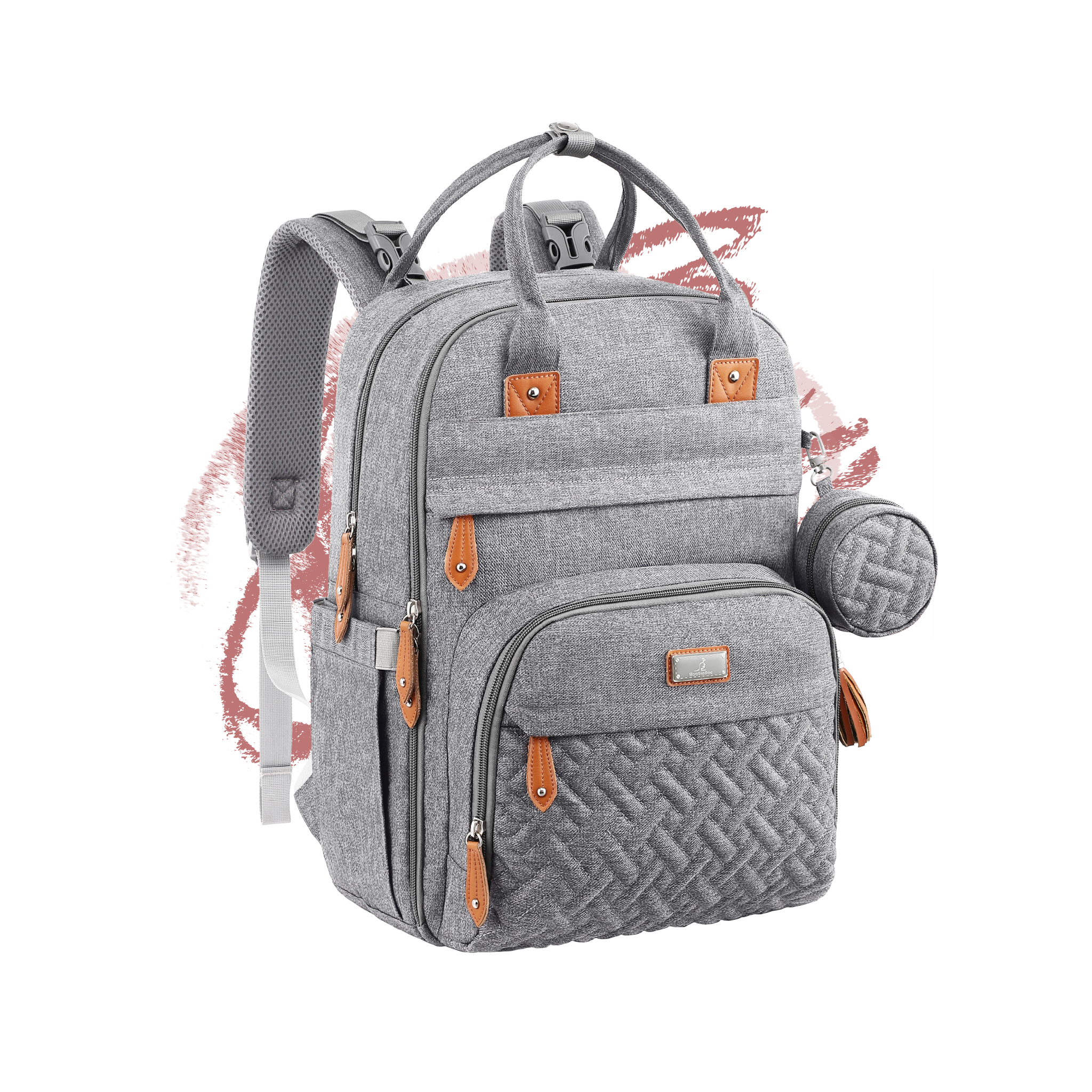
Parents need carriers that balance comfort for both adult and child. Focus on padding in straps and hip belts to spread weight evenly. Breathable carriers help on warm days, while adjustable harnesses grow with your baby. Some models add sunshades or storage pockets for essentials like snacks and water. Safety features, like sturdy buckles and stable bases, prevent slips. Think about your hiking style too. Short walks suit lighter soft carriers, but rugged trails call for framed packs with better suspension. This setup lets you carry more without strain. Always check weight ratings to match your child's size. Accompany your carrier with a diaper bag backpack to hold all your trail must-haves.
Benefits of Using a Baby Hiking Carrier
These carriers let families explore outdoors together from an early age. They promote physical activity for parents while introducing kids to fresh air and sights. Many users report stronger bonds through shared views of trees and streams. Carriers also free hands for balance on uneven ground. Compared to strollers, they handle rough paths better. Some designs include hip seats for quick rests. Overall, they make hiking accessible, turning simple walks into memorable trips. Just start slow to build confidence.
Top Baby Hiking Carriers in 2026
Venturing into nature with your baby means finding a carrier that feels right. This list covers top choices based on comfort, durability, and ease. We put the spotlight on versatile options that suit different hikes. Each one offers unique traits to help you decide.
1) Grow Carrier - Babbleroo - Best Hiking Carrier in 2026

Description (Grow Carrier):
Crafted for Comfort. Designed for Adventure.
Experience every cuddle, every stroll, and every giggle hands-free with the BabbleRoo Grow Carrier — thoughtfully designed to grow with your child from 3 to 24 months (7–50 lbs). Whether you’re running errands or exploring the outdoors, our carrier offers 6 ergonomic carrying positions to keep your baby secure and close, while giving your back and shoulders the support they need.
Why Parents Love It:
- 6-in-1 Carrying Options — From newborn snuggles to toddler piggybacks
- Ergonomic Hip-Healthy Design — Promotes proper hip development
- Ultimate Comfort for You — With padded shoulder straps, lumbar support, and breathable fabric
- Adjustable Fit — One-size-fits-most (XS to XL)
- Practical Details — Head support, padded leg openings, and a smart wrap with 3 convenient pockets
- Machine Washable — Because life with little ones gets messy
Made from:
- 87% Polyester
- 13% Spandex (for that perfect stretch)
Need help using it?
Carry Closer. Bond Stronger.
With the BabbleRoo Carrier, every moment is a chance to connect effortlessly, comfortably, and confidently.
Discover the Best Baby Hiking Carrier - BabbleRoo
2. Deuter Kid Comfort

This framed carrier from Deuter, headquartered in Germany, provides reliable support for extended hikes. It excels in weight distribution with its adjustable back system that suits various heights, keeping the child secure with good airflow in the seat. Strengths include its stable construction and ample storage for gear, making it ideal for parents who hike frequently. The VariSlide system allows quick customization for different caregivers, while the Aircomfort back panel offers ventilation to reduce sweat on warm days. A washable chin pad adds convenience for cleanup after messy adventures. Weaknesses involve a bulkier profile that may not fit well for quick trips or narrow paths, and setup requires more effort than simpler models. Families appreciate how it handles rough terrain with shock absorption, though the heavier build can fatigue on shorter outings. Overall, it's crafted for durability with materials that resist wear, supporting children through growth stages with reinforced areas for safety.
-
Key features: Adjustable harness, ventilated back panel, integrated sunshade, foot stirrups, multiple pockets.
-
Facts and information: Engineered for stability on trails, with a frame that evens out bumps, and options that fit a range of body types.
3. Osprey Poco Premium

Osprey's Poco Premium, based in Colorado in the United States, stands out for serious trekkers with its robust suspension that lightens heavy loads and a secure child cockpit for contentment. Strengths feature large capacity for gear and smooth adjustments, perfect for big days or families needing extra space. The AirSpeed back panel promotes airflow without sacrificing stability, and a detachable daypack adds versatility for solo errands. Durable fabrics hold up against elements, making it reliable for frequent use. Weaknesses include its bulkier size that hinders storage at home and can tire on brief walks. Parents value the fit for all-day ease, though it demands more room when not in use. This carrier adapts well to growing kids, with extras like a mirror for quick checks. It's ideal for those prioritizing comfort and functionality on longer adventures, but less suited for casual outings due to its heft.
-
Key features: Mesh back panel for cooling, detachable daypack, hydration sleeve, adjustable torso length, drool pad.
-
Facts and information: Built to endure with tough materials, it handles various child stages, and includes thoughtful additions for parent convenience.
4. Kelty Journey PerfectFIT Elite

Kelty's Journey PerfectFIT Elite, headquartered in the United States, emphasizes quick fits with an auto-deploy kickstand for effortless loading. It delivers balanced comfort via padded straps and a broad hip belt, with strengths in abundant storage and straightforward operation. The PerfectFIT system adjusts on the fly for torso length, aiding versatility for shared use. Hydration compatibility and thoughtful pockets enhance outings, while the design withstands frequent wear. Weaknesses surface in reduced ventilation during hot conditions, and the frame adds noticeable weight for relaxed strolls. It appeals to families valuing speed in preparation, though it may not excel in extreme heat. Engineered for trail steadiness, it accommodates different parent sizes with durable parts. Overall, it's a premium choice for regular hikes, blending features like a canopy for protection and gear loops for essentials.
-
Key features: Five-point harness, sunshade canopy, multiple gear loops, zippered pockets, adjustable seat height.
-
Facts and information: Designed for extended adventures, with padding that cushions impacts, and components that support ongoing use.
5. Thule Sapling

Thule's Sapling, from Sweden, features a sleek design with seamless adjustments for ergonomics, spreading weight evenly across hips and shoulders. Strengths highlight its clean aesthetics and secure child zone, folding compact for travel. The ErgoRide seat supports legs fully, ditching stirrups for a comfy ride, and ventilated areas keep things cool. It fits diverse body types with lightweight build for easier transport. Weaknesses appear in restricted pocket space versus larger packs, and it misses some padding extras. Suited for modern parents, it shines on medium hikes with dual access for loading. Crafted for safety with strengthened spots, it promotes airflow and mobility. Overall, it's a strong pick for balanced comfort without bulk, though storage limits gear-heavy trips.
-
Key features: ErgoRide child seat, dual access loading, breathable panels, hipbelt pockets, removable backpack.
-
Facts and information: Focused on under-leg support for longer comfort, with materials that dry fast, and adjustments for growing needs.
6. Ergobaby 360

The Ergobaby 360 provides four flexible positions for varied activities, excelling in soft structure that fosters bonding. Strengths encompass its close-hug feel and machine-washable components for easy maintenance, supporting natural hip alignment. Padded elements wick moisture, and it adjusts without inserts for seamless growth. Based in the United States, it suits mixed uses like errands with hikes. Weaknesses emerge from limited support on prolonged treks lacking a frame, and it may warm up in summer. Parents enjoy the organic cotton gentleness, though structure wanes for demanding paths. It promotes healthy posture with breathable layers, fitting petite to tall wearers. Overall, it's versatile for daily tasks, blending comfort with convenience.
-
Key features: Padded waistbelt, structured bucket seat, UPF 50+ hood, crossable shoulder straps.
-
Facts and information: Encourages ergonomic holds, with fabrics that manage heat, and options for multiple carry modes.
7. BabyBjorn One Air

BabyBjorn's One Air, from Sweden, prioritizes airflow with mesh fabric throughout, allowing front and back carries with simple switches. Strengths are its lightweight nature and fast buckles for quick setups, ideal for urban hikes. Oeko-Tex certified materials ensure safety, and it fits newborns without extras. The design promotes close contact for soothing babies, with sturdy clips for security. Weaknesses include no hip seat for heavier loads and minimal storage options. It works well for shorter paths, though pocket space lags behind bulkier models. Parents like the breathable build that reduces sweat, supporting calm rides. Overall, it's sleek for everyday use, blending ease with comfort.
-
Key features: Oeko-Tex certified fabrics, adjustable head support, wide leg openings, zippered front.
-
Facts and information: Fosters intimate holds for settled infants, with a structure suiting small babies, and materials that clean easily.
8. ClevrPlus Cross Country

The ClevrPlus Cross Country offers basic hiking essentials with a sun canopy and stand for value-driven users. Strengths lie in its simple assembly and decent padding for comfort on mild trails. Made with a strong metal frame and oxford cloth, it withstands daily elements. Padded straps and hip belt provide support, with multiple pockets for gear. Weaknesses include less precise adjustments and potential flex under full loads. Good for occasional outings, it holds up on even ground but may not suit intense terrain. Families find it practical for starters, with a seat that keeps kids upright. Overall, it's affordable for light duties, delivering functionality without excess.
-
Key features: Foldable kickstand, rain cover compatible, side pockets, aluminum frame, adjustable straps.
-
Facts and information: Provides entry-level reliability, with cushioning for short walks, and easy care after use.
9. Luvdbaby Premium Backpack Carrier

Luvdbaby's Premium model includes thick cushions and a stable base for dependable carrying. Strengths feature its cost-effective durability and extra pockets for organization, with a well-padded cockpit for child ease. From Ireland, it comes with a changing pad and covers for versatility. The frame evens bumps, and adjustments suit various sizes. Weaknesses involve bulk that complicates packing and ventilation that could improve. It performs on day trips, though not ideal for hot climates. Users appreciate the storage for essentials, supporting healthy positions. Overall, it's a solid budget option for regular use, blending features with affordability.
-
Key features: Padded cockpit, detachable sunshade, hip pockets, sternum strap, water bottle holders.
-
Facts and information: Geared for comfort over distances, with reinforced areas for safety, and accessories for convenience.
10. Phil&Teds Parade

The Parade from Phil&Teds, based in New Zealand, maintains lightness with a compact fold for portability. Strengths include its easy transport and basic comforts for quick setups. The aluminum frame keeps it sturdy yet maneuverable, with ventilated seating for airflow. Weaknesses are in restricted gear capacity and absent advanced suspension. Perfect for travel hikes, it deploys fast but lacks depth for long sessions. Families value the slim profile for crowds, with fabrics that dry swiftly. Overall, it's suited for mobility over heavy loads, offering simplicity for urban adventures.
-
Key features: Lightweight alloy frame, ventilated seat, shoulder harness, stand bar, small storage.
-
Facts and information: Prioritizes ease of movement, with a design for tight spaces, and quick setup for on-the-go use.
11. Beco Gemini

Beco's Gemini adapts with crossable straps for tailored fits, shining in organic cotton softness and multiple modes. Strengths come from its gentle fabrics and seamless adjustments without inserts. It encourages healthy posture with breathable layers, fitting diverse wearers. Weaknesses include no frame for rugged duties and support that fades over time. It thrives in daily routines with hikes, though best for flatter paths. Parents enjoy the panel tweaks for growth, with soft edges preventing irritation. Overall, it's versatile for mixed activities, combining comfort with ease.
-
Key features: Panel width adjuster, headrest, leg padding, safety buckles.
-
Facts and information: Supports natural positions, with materials that wick moisture, and adjustments for custom comfort.
12. Tula Free-to-Grow

Tula's Free-to-Grow adjusts seamlessly without inserts for ongoing use, with strengths in patterned fabrics and cozy feel. It supports ergonomic positions with soft edges, and a pocket for small items. Based in the United States, it fits from newborns onward. Weaknesses show in less structure for tough trails and limited adjustments for extremes. Families like the style for errands, though it pairs best with even ground. It promotes snug holds as kids grow, with easy care. Overall, it's adaptable for daily life, offering comfort through stages.
-
Key features: Snap adjustments, removable hood, pocket on belt, padded legs.
-
Facts and information: Facilitates healthy development, with flexible fits, and simple maintenance for busy parents.
How to Choose the Right Baby Hiking Carrier
Picking a carrier starts with your hike type and baby's needs. Soft carriers work for short, flat paths where closeness matters. Framed ones handle hills and longer distances with better weight shift. Check for adjustable parts to share carrying duties. Materials should wick sweat and dry fast. Some add hoods for weather protection. Test fits in person if possible. Pairing with a toddler backpack lets older kids carry their own snacks.
Safety Tips for Hiking with a Baby Carrier
Keep your baby facing you until they hold their head steady. Use all straps and buckles every time. Stop often to check comfort and adjust. Stay on marked trails to avoid falls. Bring layers for changing weather. Hydrate both of you regularly. If tired, take breaks to rest muscles. For added prep, a travel diaper bag keeps supplies organized.
|
Feature |
Soft Carriers |
Framed Carriers |
|
Weight Distribution |
Close body contact |
Hip and shoulder spread |
|
Best For |
Short hikes |
Long treks |
|
Storage |
Minimal pockets |
Large compartments |
|
Adjustability |
Strap tweaks |
Torso and seat changes |
|
Ventilation |
Mesh panels |
Back airflow systems |
Common Mistakes to Avoid When Using a Baby Hiking Carrier
-
Don't overload the carrier beyond its limits.
-
Skip rough terrain until your baby sits up well.
-
Forget to tighten straps after breaks.
-
Ignore weather shifts without covers.
-
Rush without practicing at home.
-
A stroller serves as backup for flat areas.
FAQ
What age can babies start using a hiking carrier?
Newborns fit into soft-structured hiking carriers that provide full head and neck support through infant inserts or adjustable panels. As babies reach three months, front-facing positions become an option in carriers with secure harnesses, allowing better views during outdoor walks. By six months, back carries in framed models offer more freedom for parents on uneven paths, while always matching the carrier's weight and height guidelines to the child's development.
How do I clean a baby hiking carrier?
Start by removing any detachable parts like hoods or pads before wiping down surfaces with a gentle cloth and soapy water. For tougher spots from dirt or spills, use a soft brush on fabric areas, then rinse thoroughly to avoid residue buildup. Hang the carrier in a shaded spot to dry completely, which helps maintain its shape and prevents odors over time.
Can I use a baby hiking carrier for everyday errands?
Soft hiking carriers transition smoothly to daily tasks like grocery shopping, with their lightweight build and quick strap adjustments. The ergonomic design in models keeps hands free for carrying bags or holding doors. This versatility makes them practical for urban settings beyond trails, blending comfort with convenience in routine activities.
What accessories pair well with a baby hiking carrier?
Rain covers shield against sudden showers, fitting snugly over the carrier to keep both parent and child dry. Mosquito nets add protection in buggy areas, attaching easily without restricting airflow. A small mirror clipped to the strap lets you glance back at your baby during hikes, adding reassurance on the go.
How do I adjust a baby hiking carrier for optimal comfort?
Begin by loosening all straps, then position the hip belt at waist level to distribute weight evenly across your body. Tighten shoulder straps so the carrier sits high and close, avoiding gaps that could cause strain. Fine-tune the chest clip and leg openings for a secure fit around your baby, ensuring their knees stay higher than hips in an M-shape position for healthy development.
Discover the Best Baby Hiking Carrier - BabbleRoo
Read Also:
Read more
Finding the right stroller for your little one can change daily outings. Compact strollers for infants stand out in 2026 with their lightweight and quick folds, perfect for city walks or trips. The...
Finding a reliable front facing baby carrier means focusing on support, breathability, and adjustability for both you and your baby. These carriers let parents bond closely while giving babies a vi...