
Best Front Facing Baby Carrier in 2026
Finding a reliable front facing baby carrier means focusing on support, breathability, and adjustability for both you and your baby. These carriers let parents bond closely while giving babies a view of the world ahead. Ergonomic designs or mesh fabrics help with airflow during active days. Babbleroo stands out with innovative options that prioritize everyday use. Ready to find the perfect fit? Dive into our detailed picks below.
For parents exploring more ways to stay comfortable and supported on the go, it’s worth diving into guides that break down what matters most in a carrier. From choosing the best ergonomic baby carrier for healthy hip positioning to selecting the best breathable baby carrier for warm-weather adventures, understanding these features can make every outing easier. And if you're planning trips with an older little one, checking out the best toddler carrier for travel ensures you’re ready for longer journeys without sacrificing comfort.
Discover the Best Front Facing Baby Carrier - BabbleRoo
Why Choose a Front Facing Baby Carrier
Parents often pick front facing carriers because they allow babies to see outward once ready, boosting curiosity and interaction. This position suits older infants with strong neck muscles, typically around six months. It distributes weight evenly across your shoulders and hips, reducing strain during longer outings. Some designs include padded straps and lumbar support for added ease. Breathable materials prevent overheating, especially in warmer weather. Overall, these carriers promote bonding while offering freedom of movement.
Key Features to Look for in a Carrier
Look for adjustable straps that fit various body types, ensuring a snug hold without slipping. Wide seats support healthy hip development by keeping knees higher than hips in an M-shape. Quick-release buckles make putting on and taking off simple. Pockets for small items add practicality for on-the-go needs. Durable fabrics resist wear from daily use. These elements combine for a carrier that's both functional and long-lasting.
How Front Facing Baby Carriers Support Baby Development
Front facing baby carriers give older infants and toddlers the chance to safely explore the world while staying close to their parents. Once babies have strong neck control - usually after six months - this outward-facing position satisfies natural curiosity and supports healthy cognitive development through visual stimulation. The carrier keeps the baby’s body well-supported against the parent’s chest while positioning their legs in a wide, ergonomic spread that promotes proper hip development.
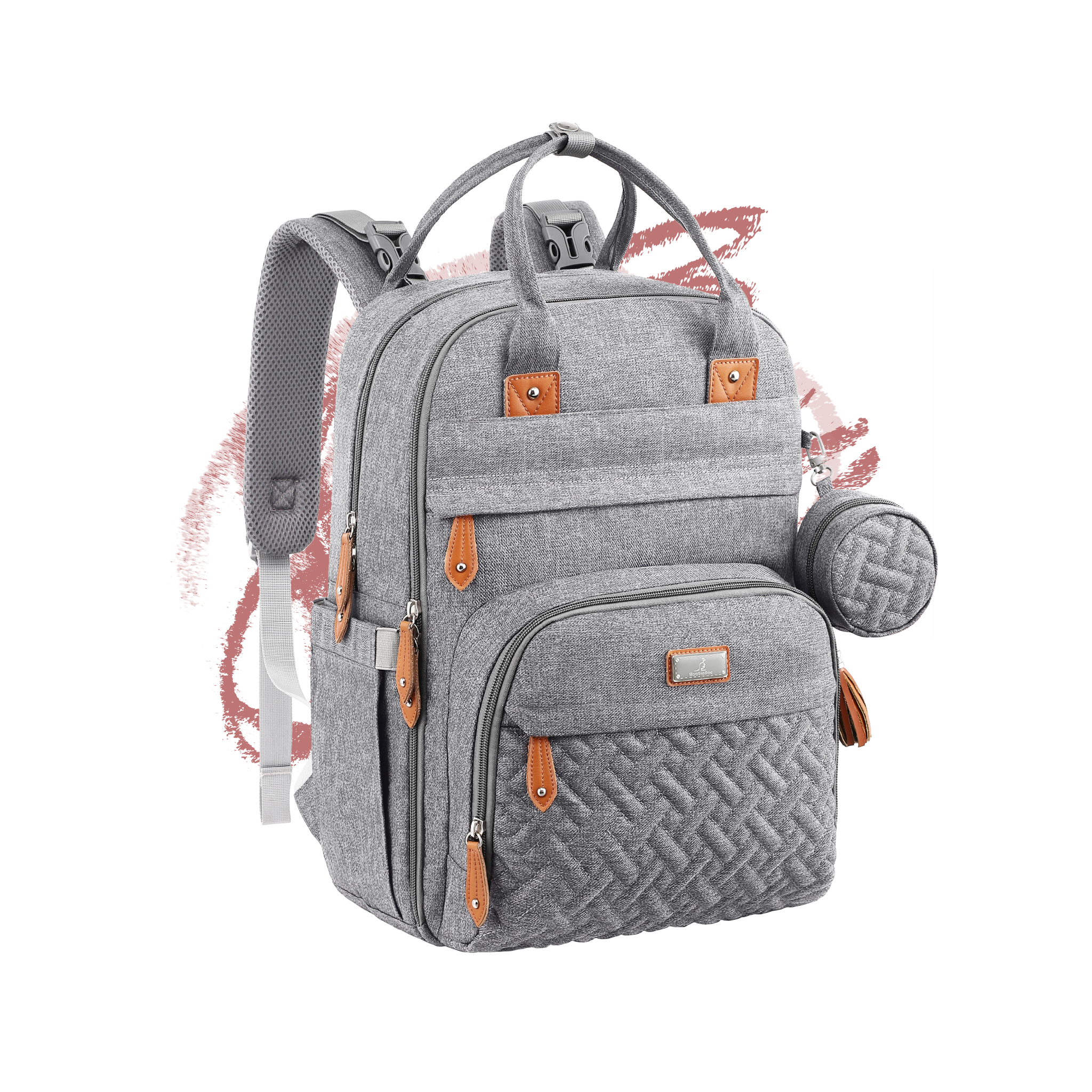
Many parents find that the best front facing baby carriers lead to calmer, more enjoyable outings because babies stay engaged and content for longer periods. Breathable fabrics and lightweight materials make these carriers comfortable even on warm days or during active walks. For added convenience, pairing a baby carrier with a diaper bag backpack keeps essentials organized and hands-free.
Safety Guidelines for Outward Facing Positions
Safety always comes first when using a front facing baby carrier. Babies must have full head and neck control before transitioning to outward-facing positions. The seat should provide a wide, supportive base so the baby’s knees sit higher than their hips in the healthy “M” position. Straps need to be snug but comfortable, with the baby’s back fully supported and airway clearly open at all times.
Regular checks during wear help catch any shifts early. Soft padded edges prevent pressure on legs or shoulders, while breathable mesh panels improve airflow. Many parents use ergonomic baby carrier comparison guides to ensure proper alignment and choose carriers that support healthy posture during longer wears.
How to Transition to Front Facing Smoothly
Most babies show readiness for a front facing baby carrier through steady head control and increased interest in facing outward. Start with short sessions in calm environments to observe their reactions and comfort level. Adjust the carrier panel to provide enough seat width without fabric bunching, and always keep the inward-facing option available for naps or signs of overstimulation.
Gradual increases in time help both baby and parent adapt comfortably. Built-in lumbar support in quality baby carriers reduces strain on the caregiver’s back. Many families begin with baby wrap carriers for the newborn stage before moving to structured front facing baby carriers that offer better outward visibility and support.
Top Front Facing Baby Carriers in 2026
We compared many options based on comfort, safety, and user feedback to bring you this list. Babbleroo leads with standout design, followed by well-known competitors.
1. Babbleroo - Best Front Facing Baby Carrier in 2026
Grow+ Carrier

Description (Grow+ Carrier):
Crafted for Comfort. Designed to Grow With You.
The Grow+ Carrier is a versatile, all-in-one baby carrier designed to grow with your child from newborn to toddler years (7–50 lbs). It offers secure, comfortable carrying for both parent and baby throughout every stage.
Why Parents Love It:
-
Grows With Them (7–50 lbs): From newborn snuggles to active toddler years
-
Safe by Design: Dual-Lock system with reinforced zipper plus safety buckle to keep the seat and panel securely connected
-
Cooler, Extended Comfort: Organic cotton-plus-mesh body and ventilated panel keep airflow moving so neither of you overheats
-
Smarter Storage: Under-seat compartment, expandable bottle pocket, and magnetic quick-access pouch for your phone and keys
-
Extra-Padded Curved Straps: Wide waist belt and curved straps shift weight to your hips, reducing shoulder strain
-
Removable Bib & Teething Pads: Easily detachable for quick washing - perfect for handling spit-up and drool
Made from:
-
Premium Organic Cotton + Mesh (breathable and ultra-gentle on baby’s skin)
Ready to carry with confidence and comfort?
Add the Grow+ Carrier to your cart today and enjoy every moment with your little one.
Grow Carrier

Description (Grow Carrier):
Crafted for Comfort. Designed for Adventure.
Experience every cuddle, every stroll, and every giggle hands-free with the BabbleRoo Grow Carrier - thoughtfully designed to grow with your child from 3 to 24 months (7–50 lbs). Whether you’re running errands or exploring the outdoors, our carrier offers 6 ergonomic carrying positions to keep your baby secure and close, while giving your back and shoulders the support they need.
Why Parents Love It:
-
6-in-1 Carrying Options - From newborn snuggles to toddler piggybacks
-
Ergonomic Hip-Healthy Design - Promotes proper hip development
-
Ultimate Comfort for You - With padded shoulder straps, lumbar support, and breathable fabric
-
Adjustable Fit - One-size-fits-most (XS to XL)
-
Practical Details - Head support, padded leg openings, and a smart wrap with 3 convenient pockets
-
Machine Washable - Because life with little ones gets messy
Made from:
- 87% Polyester
- 13% Spandex (for that perfect stretch)
Need help using it?
Carry Closer. Bond Stronger.
With the BabbleRoo Carrier, every moment is a chance to connect effortlessly, comfortably, and confidently.
Discover the Best Front Facing Baby Carrier - BabbleRoo
2. Omni Breeze - Ergobaby

Ergobaby's Omni Breeze carrier prioritizes airflow with its full-mesh construction, ideal for parents in warmer climates or during active use. It supports babies from newborn to toddler stages without needing an insert, adjusting to weights between 7 and 45 pounds. The design allows for four positions, including front outward facing for curious infants around 5-6 months with good head control. Padded straps and a lumbar support belt help distribute weight, making it comfortable for longer wears, though some users note it feels bulky when packed.
The carrier folds compactly for travel and includes a detachable pouch for small items. Machine-washable materials dry quickly, adding convenience. While versatile for different body types with adjustable fits, taller parents might find the straps a bit short in crossed mode. Headquartered in Hawaii, United States, Ergobaby focuses on ergonomic innovation, earning recognition from the International Hip Dysplasia Institute for proper positioning. Overall, it excels in breathability but can retain heat in extreme conditions compared to lighter fabrics. Families appreciate its durability through multiple children, though beginners may need practice with adjustments.
-
Key features: Breathable SoftFlex mesh, adjustable bucket seat, UPF 50+ hood, crossed strap option.
-
Facts and information: Fits waists 25-55 inches, certified hip-healthy, used from 0-48 months.
3. Complete 6-in-1 All Seasons - Lillébaby

Lillébaby's Complete 6-in-1 All Seasons adapts to various environments with its zip-down panel revealing mesh for ventilation or zipping up for warmth, suiting year-round use. It accommodates babies from 7 to 45 pounds in six positions, including fetal for newborns without an insert. The adjustable seat switches between narrow for infants and wide for toddlers, promoting hip health.
Padded straps and lumbar support enhance comfort for extended periods, but the bulkier build can feel heavy when folded. A large zippered pocket stores essentials, and the carrier is machine-washable. Some find the initial setup complex due to multiple adjustments, leading to a learning curve. Based in Colorado, United States, Lillébaby emphasizes inclusive designs for diverse body types. It meets safety standards and is favored for its temperature control, though the fabric may pill over time with frequent washing. Parents value its sturdiness for daily activities, but it might overwhelm beginners compared to simpler models.
-
Key features: Temperature-regulating zip panel, ergonomic convertible seat, removable hood, dual-strap styles.
-
Facts and information: Waistband up to 52 inches, acknowledged hip-healthy, supports 0-36 months.
4. Explore - Baby Tula

Baby Tula's Explore offers stylish patterns and breathable mesh options, supporting babies from 7 to 45 pounds in three positions without an infant insert. It allows front outward facing from around 13 pounds, ideal for interactive outings. The adjustable panel grows with the child, ensuring an M-shaped seat for hip development. Padded straps provide cushioning, but limited adjustability may not suit very tall wearers well. A pocket adds utility, and the carrier is machine-washable. Some report it feels less supportive for prolonged use compared to bulkier models. Headquartered in California, United States, Baby Tula combines fashion with function, certified hip-healthy. Its aesthetic appeal draws style-conscious users, though the seat might sag slightly with heavier toddlers. Families enjoy its lightweight feel for shorter trips, but it could improve in versatility for all climates.
-
Key features: Adjustable neck support, no-insert needed, vibrant designs, three carry positions.
-
Facts and information: Fits waists 27-57 inches, promotes healthy posture, used 0-48 months.
5. Harmony - BabyBjörn

BabyBjörn's Harmony uses soft 3D mesh for lightness and quick drying, folding compactly for portability. It supports four positions from 7 to 40 pounds, with adjustable head support for newborns. Intuitive buckles make it user-friendly, but less padding can lead to fatigue on long wears. The design includes a zip for leg positioning, ensuring airways remain clear. Some find it less versatile for larger toddlers due to the weight limit. From Stockholm, Sweden, BabyBjörn has decades in minimalist baby products, complying with global safety norms. Its simplicity appeals to urban parents, though the fit might be snug for plus-sized wearers. Overall, it suits quick trips well but may need supplements for extended use.
-
Key features: Adjustable height positions, easy-clean materials, padded back support.
-
Facts and information: Waist up to 47 inches, hip-healthy certified, 0-36 months.
6. Aerial Carrier - Wildbird

Wildbird’s Aerial Carrier masterfully combines the cozy embrace of a traditional wrap with the convenience of buckles, creating a versatile hybrid that feels intuitive for daily wear. Crafted with breathable linen and soft modal fabrics, it delivers excellent airflow and gentle support ideal for sensitive skin and extended cuddles. The carrier accommodates front inward and back carries for babies from 7 to 45 pounds, featuring padded shoulder straps and a supportive lumbar belt that effectively distributes weight to reduce fatigue.
Thoughtful details like adjustable rings, a built-in hood that doubles as a pocket, and flexible sizing options make it easy to achieve a custom, secure fit across different body types. While it may require some initial practice to master the setup, the result is a secure, ergonomic hold that promotes natural bonding and skin-to-skin contact. Based in Utah, Wildbird prioritizes natural materials and community-driven design, making the Aerial a favorite among parents seeking comfort without compromising on style or functionality for everyday adventures.
-
Key features: Adjustable rings, soft modal fabric, nursing-friendly.
-
Facts and information: Two sizes for XS-4XL, promotes skin-to-skin, 2-24 months recommended.
7. Zeitgeist - Artipoppe

Artipoppe’s Zeitgeist elevates babywearing into a fashion statement while delivering solid ergonomic support for growing families. Made from luxurious linen blends and premium jacquard weaves, this carrier offers a structured yet breathable panel that ensures firm, comfortable positioning for babies from 7 to 44 pounds across three versatile carry positions. Adjustable straps and thoughtful sizing cater to newborns through toddlers, helping maintain healthy hip alignment and posture for both wearer and child. Side buckles simplify fastening, and the elegant patterns turn heads during outings.
Though its higher weight and cross-strap design may not suit every body type or intense hiking sessions, the Zeitgeist shines for urban parents who value aesthetics alongside performance. Handcrafted in Europe with sustainable materials, this carrier from Amsterdam-based Artipoppe appeals to those who see babywearing as both practical and expressive, offering a refined experience that feels special for daily use or special occasions.
-
Key features: Jacquard weave, adjustable straps, breathable lining.
-
Facts and information: Fits 7-44 pounds, handcrafted in Europe, 0-24 months.
8. Wrap Carrier - Boba

Boba’s classic Wrap Carrier creates an intimate, hug-like experience that many parents describe as second only to holding their baby directly. Its stretchy cotton-spandex blend molds beautifully to both parent and child, providing even weight distribution that supports bonding and calms fussy newborns during front carries from 7 to 35 pounds. The one-size-fits-most design with a helpful center marker makes wrapping straightforward once practiced, while the soft fabric feels gentle against delicate skin.
Machine-washable and quick-drying, it offers real practicality for busy days. Headquartered in Colorado, Boba champions natural parenting approaches, resulting in a simple, no-frills carrier that excels in early months. Though it retains some heat in warmer weather and requires learning the tying technique, its ability to create a secure, custom fit helps soothe babies and encourages closeness. It remains a go-to choice for parents prioritizing softness and affordability over complex buckles or multiple positions.
-
Key features: Stretchy fabric, center marker, one-size-fits-most.
-
Facts and information: Certified hip-healthy, calms fussy babies, 0-18 months.
9. Onbuhimo - Happy Baby

Happy Baby’s Onbuhimo brings a refreshing minimalist approach inspired by Japanese traditions, excelling in high back carries that let toddlers enjoy expansive views of the world. The waistless design with lightweight, absorbent linen keeps things breathable and compact, making it surprisingly easy to throw in a diaper bag for spontaneous outings. Padded straps and reinforced seams provide reliable comfort for babies from 7 to 45 pounds, while side snaps enable quick newborn front carries when needed.
A hidden pocket adds welcome utility without bulk. Based in the United States, Happy Baby focuses on ethical production and chic aesthetics that appeal to style-conscious families. Although the lack of a waist belt shifts more weight to the shoulders - requiring some adjustment period for longer wears - the Onbuhimo rewards users with freedom of movement and cultural authenticity. It suits active parents and curious toddlers particularly well, offering versatility in a sleek, understated package.
-
Key features: High-back design, reinforced seams, compact storage.
-
Facts and information: Absorbent linen, cultural authenticity, 0-36 months.
10. V2 Buckle - Beluga Baby

Beluga Baby’s V2 Buckle Carrier prioritizes ergonomic comfort and simplicity with thoughtfully curved shoulder straps that reduce pressure points during extended use. The hemp and organic cotton blend delivers natural breathability and softness that improves with each wash, paired with a padded waistband that effectively eases lower back strain for parents. Supporting front and back carries from 7 to 50 pounds, it offers generous adjustability for a wide range of ages and body types up to 48 months.
Quick buckle closures make it ideal for busy routines where speed matters, while the sustainable materials reflect the brand’s eco-conscious ethos from its Vancouver, Canada base. Though color options remain limited and very petite frames may need minor tweaks, users consistently praise the weightless feel and supportive structure. The V2 strikes an excellent balance of modern convenience and natural comfort, making it a dependable everyday companion for parents seeking reliability without excess features.
-
Key features: Curved shoulder straps, buckle closures, soft lining.
-
Facts and information: Sustainable fabrics, 0-48 months, made in Canada.
11. Light - Lenny Lamb

Lenny Lamb’s Light Carrier proves that less can truly be more, offering a compact, airy design perfect for warm-weather adventures and on-the-go parents. Weighing in lightly at 220 gsm, the soft woven fabric provides excellent breathability while padded straps deliver balanced support without unnecessary bulk. The magnetic chest belt and minimal adjustments allow for surprisingly quick setup across multiple positions for babies from newborn to 36 months (up to 44 pounds).
Vibrant patterns add personality, and the entire carrier tucks neatly away when not in use. From Poland, Lenny Lamb brings expertise in woven fabrics to create a versatile option that fits diverse body types comfortably. While heavier babies may benefit from more structure and beginners might prefer even more intuitive fastening, the Light earns praise for its soft hand-feel and suitability in warmer climates. It serves as an ideal choice for parents wanting flexibility and lightness in a beautifully crafted package.
-
Key features: Magnetic belt, adjustable ties, vibrant designs.
-
Facts and information: Lightweight at 220 gsm, hip-healthy, 0-36 months.
12. Joie Savvy Lite Baby Carrier

Joie, headquartered in the United Kingdom with strong US distribution, presents the Savvy Lite as a lightweight 3-in-1 structured carrier optimized for parents seeking simplicity and effective front outward-facing options during toddler exploration phases. Its breathable mesh panels and minimal padding deliver a streamlined profile suitable for daily errands or warmer outings, with magnetic buckles facilitating quick adjustments as babies develop head and trunk control.
The design supports transitions from newborn inward-facing to world-facing positions around 6 months, maintaining an ergonomic seat shape for hip positioning. While the compact build enhances portability and ease of storage, the reduced padding may require more frequent micro-adjustments during extended wears compared to fuller-featured models. The carrier performs reliably on flat surfaces and moderate activity, with machine-washable fabrics simplifying maintenance after everyday use. Parents in urban or travel settings appreciate its low weight and straightforward setup for spontaneous adventures.
-
Weight: approximately 1.5 pounds; supports 8–33 pounds (newborn with insert to toddler).
-
3 carry positions: inward-facing (newborn/toddler), outward-facing (from ~6 months), and hip.
-
Padded shoulder straps with lumbar support panel.
-
Magnetic AutoClick buckles for one-handed fastening.
-
Breathable mesh fabric with UPF protection elements.
-
Suitable for users with waist sizes 25–55 inches; machine washable.
13. Beco Gemini Baby Carrier

Beco Baby, a US-based brand focused on ergonomic designs, offers the Gemini as a versatile 4-position soft-structured carrier that balances comfort and adaptability for babies from newborn through toddler stages. The soft fabric construction with adjustable panels allows seamless switches to front outward-facing once head control is established, while the padded waistband and shoulder straps distribute weight evenly across the caregiver’s body. A built-in infant insert option extends usability from early days without additional purchases in some configurations.
The carrier folds compactly for on-the-go storage, and its materials handle frequent washing well. Some users note the need for precise adjustments to achieve optimal tightness in outward positions, particularly as weight increases. Overall, it serves active families well with reliable support for mixed daily routines and occasional longer outings.
-
Supports 7–35+ pounds across positions; newborn insert available.
-
4 carry positions including front inward, front outward, hip, and back.
-
Adjustable seat width and height for growing babies.
-
Padded lumbar support and crossable shoulder straps.
-
Soft, breathable cotton or mesh fabric options.
-
Machine washable; promotes ergonomic M-position seating.
14. MOBY Duet Carrier

MOBY, headquartered in California, USA, delivers the Duet as a hybrid wrap-style structured carrier designed for effortless front outward-facing exploration while retaining the soft hug of traditional wraps. Its stretchy, breathable cotton-spandex blend conforms comfortably to both caregiver and baby, supporting three adjustable seat widths for proper hip development from early months into toddlerhood.
The pre-configured buckle elements reduce wrapping time compared to full wraps, making it practical for quick outings. Ventilation features help manage temperature during active use, though the fabric may require careful handling to maintain shape over time. This model appeals to parents transitioning from wraps who desire structured support with forward-facing flexibility for curious babies around 5-6 months with solid neck control.
-
3 carry positions: inward narrow/wide and forward-facing.
-
Weight range approximately 8–33 pounds.
-
Customizable seat panel for ergonomic fit.
-
Soft, stretchy 100% cotton or blended fabric.
-
Integrated support for head and legs in outward mode.
-
Machine washable; suitable for various body types.
15. Nuna CUDL Baby Carrier

Nuna, based in the Netherlands with prominent US availability, introduces the CUDL as a premium soft-structured carrier emphasizing luxurious materials and intuitive adjustments for front-facing carries. Its velcro waist and shoulder systems enable fast fitting for multiple caregivers, while the structured panel maintains supportive outward-facing positioning for babies with developed head control.
Soft fabrics and thoughtful padding promote extended comfort, complemented by a compact fold for travel. The design prioritizes ease during daily transitions, though the bulk in certain configurations may influence storage preferences. Independent testing and user data highlight its reliability for bonding and exploration phases, with features that align well with modern parenting needs for versatility and style.
-
Supports 7–40 pounds from newborn (with insert) to toddler.
-
Multiple positions including front inward and outward-facing.
-
Velcro adjustments for quick shared use.
-
Premium soft fabrics with breathable elements.
-
Padded straps and supportive seat structure.
-
Compact when folded; machine washable components.
Benefits of Using Front Facing Carriers Safely
Front facing carriers help babies engage with surroundings, sparking interest in sights and sounds. Wait until strong head control develops to avoid strain. Proper fit keeps airways clear and spine aligned. Some parents notice calmer moods during wears, as the view distracts from fussiness. Always check leg positioning to support joints.
How to Maintain Your Baby Carrier
Proper care keeps your front facing baby carrier in excellent condition through multiple children. Choose models with machine-washable breathable fabrics that simplify cleaning after spills or daily use. Air drying helps preserve the elasticity of stretch materials, while regular inspection of buckles and seams ensures continued safety.
Store the carrier in a cool, dry place to avoid fabric damage. Removable parts and quick-dry mesh make maintenance much easier for busy families who also rely on their diaper bag backpack.
Clean carriers regularly with mild soap to remove dirt. Air dry away from direct heat to preserve fabrics. Inspect buckles and seams often for wear. Store in a dry spot to prevent mold. Following these steps extends life and keeps performance high.
|
Feature |
Importance |
Example Benefit |
|
Breathable Mesh |
High |
Reduces overheating during walks |
|
Adjustable Straps |
Medium |
Fits multiple caregivers easily |
|
Wide Seat Base |
High |
Supports hip health properly |
|
Storage Pockets |
Low |
Holds keys or phones handy |
|
Sun Hood |
Medium |
Protects from elements outdoors |
Common Myths About Front Facing Carriers
Some believe front facing harms hips, but correct positioning avoids issues. Always ensure knees bend above bottom level. The International Hip Dysplasia Institute confirms safe use with proper setup. Myths about overstimulation fade when limiting time to short periods. Watch for tiredness signs to switch back inward.
Comparing Soft Structured Carriers to Wraps for Front Positions
Soft structured carriers and baby wrap carriers each bring unique advantages for front facing baby carrier use. Structured carriers feature quick buckles and built-in support, making them ideal for busy parents who need fast, reliable adjustments on the go. They often include handy storage pockets and adjustable waistbands for all-day comfort.
Baby wrap carriers, on the other hand, offer a custom, snug fit that molds gently to both parent and baby, excelling in early months before transitioning to front-facing positions. Both styles promote healthy hip positioning when used correctly. Parents frequently perform an ergonomic baby carrier comparison to decide which option best suits their lifestyle, especially when looking for a toddler carrier for travel.
Latest News In 2026
In 2026, the best front facing baby carriers continue to evolve with lighter breathable meshes and sustainable fabrics that improve airflow while maintaining strong support. New adjustable panels adapt more quickly to growing babies, and enhanced safety standards now emphasize clear airway paths and hip-healthy seating across more models.
Designs feature faster quick-adjust systems for parents who frequently switch positions. Inclusive sizing options fit a wider range of body types, and improved padding significantly reduces shoulder fatigue during extended wears. Many new releases blend the softness of baby wrap carriers with the convenience of structured ergonomic baby carriers, creating versatile hybrids perfect for daily use and travel.
FAQ
What Age Can Babies Start Front Facing in a Carrier?
Babies usually begin front facing when they achieve full head and neck control, often around four to six months old. This stage allows them to look outward safely without slouching. Starting too early might cause discomfort, so watch for signs like sitting up assisted. Front facing boosts sensory experiences, helping with development through new views.
How Long Can You Use a Front Facing Baby Carrier Each Day?
Begin with short periods to build tolerance for both parent and baby, gradually increasing as everyone adjusts. Comfort levels vary based on activity and fit, so take cues from your little one's behavior. Pausing for stretches keeps circulation good and prevents any unease during wears.
Are Front Facing Carriers Safe for Hips?
Front facing carriers promote hip safety when the design holds legs in a spread-squat position, mimicking natural holds. This alignment supports joint sockets properly as babies grow. Regular checks ensure the seat width matches your child's size for ongoing protection.
What Makes a Carrier Comfortable for Parents?
Comfort stems from even weight distribution through wide straps and supportive bands that ease pressure on back and shoulders. Materials like soft padding add cushion without bulk, aiding longer sessions. Adjustability lets it conform to your frame, making movement feel natural.
How Do I Clean a Front Facing Baby Carrier?
Spot clean stains promptly with gentle soap to keep fabrics fresh without harsh chemicals. For deeper cleans, follow maintenance guidelines using cold water cycles if machine safe. Drying flat preserves shape and elasticity, readying it for next use.
What age is typical for starting front facing in a baby carrier?
Most babies are ready for a front facing baby carrier around 6 months old, once they can hold their heads steady and upright without support. This milestone usually comes after regular tummy time that strengthens neck and core muscles.
It’s best to start with short sessions in calm environments so you can watch how your baby reacts to the outward view. The carrier should keep the body securely supported in an ergonomic position. Many parents use this transition time to do an ergonomic baby carrier comparison before choosing the right structured baby carrier.
How does front facing differ from inward facing for baby comfort?
The best front facing baby carriers let older infants and toddlers freely observe and interact with the world around them, which boosts curiosity and engagement during daily outings. Inward-facing positions provide closer physical contact, making it easier for parents to monitor breathing, soothe the baby, and notice early comfort cues - especially useful for naps or calm moments.
Most versatile baby carriers support both positions, allowing families to switch based on the baby’s mood and the activity. Outward facing works great for curious babies, while inward facing remains ideal for rest and bonding.
Are there specific hip health considerations with outward facing?
Yes, hip health is very important when using a front facing baby carrier. The carrier should create a wide, supportive seat base that keeps the baby’s knees higher than their hips in the natural “M” position. This ergonomic spread helps promote healthy hip joint development as the baby grows. Choose models with adjustable panels and even weight distribution to maintain proper alignment.
What features help with overheating in front facing carriers?
Breathable mesh panels and lightweight fabrics are essential features in modern front facing baby carriers to prevent overheating, especially on warm days or during active movement. These materials allow excellent airflow around the baby while still providing secure support. Adjustable straps avoid tight areas that trap heat, and soft padded edges prevent pressure points.
How can parents check for proper fit in front outward position?
To ensure a safe and comfortable fit in a front facing baby carrier, check that your baby’s back stays straight, thighs are well supported in a wide spread, and chin remains clear of the chest. The carrier should feel balanced on your shoulders and hips with no digging or pressure points. Make small adjustments to the panel height, waistband, and straps as needed during wear.
Discover the Best Front Facing Baby Carrier - BabbleRoo
Read Also:
Read more

Hiking with a baby opens up new ways to bond and enjoy nature. A good baby hiking carrier keeps your child secure while giving you freedom to move. These packs come in soft styles for close contact...

Finding a reliable portable changing mat makes life simpler for parents handling diaper duties away from home. These handy items provide a clean spot for changes, whether in a car, park, or public ...