

Best Toddler Carrier for Travel in 2026
Traveling with a toddler can be full of surprises, some sweet, some a little wild. Whether you’re catching a flight, visiting a new city, or just going for a long walk, having the right toddler carrier can make all the difference. Discover the best toddler carrier for travel in 2026!
Choosing the best toddler carrier for travel depends on your needs - comfort, safety, and versatility are key. If you're unsure whether to go for a baby wrap carrier or sling, or are looking for the best toddler carrier sling for quick airport transfers, there’s a solution for every situation. New parents will love discovering the benefits of baby carriers, while dads can find support with the best baby carrier for dad.
Planning to explore the outdoors? Consider the best toddler hip carrier or the best toddler carrier for hiking. Even if you’re traveling with an infant, the best baby carrier for newborns ensures a snug, secure fit from day one.
Discover the best toddler carrier for travel in 2026 - BabbleRoo
Why a Toddler Carrier is a Must for Travel
If you’ve ever tried to push a stroller through airport security or up a cobblestone street, you know it’s not always smooth sailing. That’s where a toddler carrier shines:
- Hands-Free Freedom: Keep your child close while managing tickets, snacks, and luggage.
- Quick On and Off: Toddlers love to walk—until they don’t. A carrier lets them hop in and out without a fuss.
- Comfort for Long Days: Good carriers take the weight off your back and shoulders, making it easier to keep going.
- Space-Saving: Many carriers fold up small, fitting right into your backpack or carry-on.
Parents say carriers turn travel stress into more smiles and snuggles.
What Makes a Great Toddler Carrier for Travel?
Every family is different, but some features make a toddler carrier stand out for travel:
Key Features to Look For
- Weight Capacity: Most toddler carriers support up to 45–60 lbs, which covers ages 1–6 years.
- Comfort: Look for padded straps, a sturdy waistband, and breathable fabric.
- Adjustability: Adjustable straps and seats help fit both parent and child.
- Safety: Secure buckles, wide seats, and ergonomic design protect your child’s hips and spine.
- Sun Protection: A built-in sunshade or hood keeps your child cool and protected.
- Storage: Pockets for snacks, wipes, and small essentials are a big plus.
- Lightweight & Packable: The best carriers for travel are easy to pack and carry, weighing as little as 200g in some cases.
2026 Toddler Carrier Trends and Data
The world of baby gear keeps changing. Here’s what’s new and trending for 2026:
- Safety First: 45% of toddlers now use advanced safety products, with parents focusing on ergonomic, crash-tested, and secure designs.
- Travel-Ready Designs: Lightweight, foldable carriers are in high demand for their convenience at airports and on public transport.
- Multi-Use: Many modern carriers can be used from infancy through toddlerhood, adjusting as your child grows.
- Eco-Friendly Materials: Vegan leather and sustainable fabrics are popular choices for families who care about the planet.
How to Choose the Best Toddler Carrier for Your Family
Picking the right carrier can feel overwhelming, but focusing on your needs helps narrow it down:
Questions to Ask Yourself
- How old and heavy is my child?
- Will we use the carrier for long walks, hikes, or mostly short trips?
- Do I need a carrier that packs down small for flights?
- Is easy cleaning a must for me?
- Do I want extra storage for snacks and wipes?
Pro Tips for Choosing
- Try the carrier on with your child before buying, if possible.
- Adjust all straps and test for comfort.
- Check for safety certifications and read recent reviews.
- Pick a design you’ll love to wear - style matters, too!
Safety Facts Every Parent Should Know
Safety is always the top priority. Here are the latest facts for 2026:
- Proper Use Matters: Carriers with secure buckles and wide, ergonomic seats help prevent hip issues and keep your child safe.
- Weight Limits: Always follow the manufacturer’s weight and age guidelines.
- Supervision: Never leave your child unattended in a carrier.
- Airflow: Make sure your child’s face is visible and clear of fabric at all times.
- Carriers vs. Car Seats: Carriers are for walking and hiking, not for use in vehicles. Use a certified car seat for all car travel.
Benefits of Using a Toddler Carrier for Travel
- Easier Airport Experiences: Skip the stroller hassle and breeze through security.
- More Bonding: Keep your child close and comforted in busy places.
- Quicker Transitions: Toddlers can hop in and out when they need a break.
- Adventure-Ready: Great for hikes, city walks, and sightseeing.
- Less Gear: Carriers fold up small, freeing up space for other essentials.
Latest Trends in Toddler Carrier Design
- Minimalist and Packable: Ultra-light carriers (as light as 200g) are popular for their convenience and easy storage.
- Eco-Conscious Materials: Vegan leather and recycled fabrics are on the rise.
- Ergonomic Innovations: Better weight distribution and adjustable features make carriers more comfortable than ever.
- Smart Storage: Built-in pockets and compartments for snacks, wipes, and even water bottles.
Airport Days With a Toddler Carrier
Airports reward gear that stays on the body. A soft structured toddler carrier can stay worn through long lines while a folded stroller goes to the gate. Parents who already use a compact stroller often pair it with notes from the best infant strollers for airplane travel and the best travel strollers for airplane. A lighter frame for that same gate walk shows up in the best lightweight strollers for travel.
What tends to go smoothly:
-
The child rides in the carrier while tickets, shoes, and a small bag stay in the adult’s hands.
-
A folded stroller waits until the group is moving again.
-
A light hood covers a nap without covering the child’s face.
-
Buckles sit where a parent can reach them in a seat row.
Back carry helps in crowded halls because the child sits higher and the adult’s front stays clear. Front inward carry fits younger toddlers who want a chest to lean on during a delay. The toddler carrier tutorial walks through front and back setup, including the chest clip and the M-position for the legs. Long hauls add a bag job beside that hold, which is the focus of surviving long flights with a baby and the best diaper bag for airplane travel. Families who pack the bag before the gate often use a travel diaper bag from the best travel diaper backpack collection. A ready-made gate set is the Jet Set Bundle. Broader packing notes sit in must-have travel items for parents, and smaller folds are grouped in the best compact strollers guide.
Carry Positions That Match a Travel Day
One position rarely covers a whole trip. Parents switch as the child wakes, walks, and asks to be up again. The best carrier for that kind of day is the one that can move from front to hip to back without a full reset.
-
Front inward fits calm time, security waits, and younger toddlers who still want a close view of a parent’s face.
-
Front outward fits curious walkers who want to see the street, once head and trunk control are steady. The best front facing baby carrier covers that stage in more detail.
-
Hip carry fits short ups, shop doors, and moments when the child wants to point. A closer look sits in the best toddler hip carrier guide.
-
Back carry fits longer city walks and the part of the day when shoulders need the load centered.
Dads who share the same carrier on a trip often look at strap range and waistband height. The best baby carrier for dad lays out how shared wearing works when two adults trade off.
A sling still has a place on short hops between a car and a door. Families comparing fabric styles use the baby wrap carrier vs sling breakdown, and the best toddler carrier sling page covers the lighter option for quick transfers. Cloth builds live in the best baby wrap collection and the best baby sling collection. One-shoulder holds sit in the best sling baby carrier collection, the best mini sling page, and the best crossbody baby carrier collection. Tie-on setups are in how to use a baby carrier, the best wrap around baby carrier page, and the best baby wrap carriers notes.
Packing a Toddler Carrier for Flights and Road Trips
Packing is about where the carrier lives, not how many extras go with it. A soft carrier rolls into a suitcase corner or sits in a day bag so it is ready at the curb.
Parents packing for a drive often follow the same list shape as the guide on the family road trip: a safe car seat for the drive, then a carrier for stops, parks, and hotel walks. The carrier is for walking. The car seat is for the vehicle. A wider list of what fills the side pocket sits in packing essentials for your diaper bag and essential must-haves for your diaper bag guide.
A simple pack list:
-
The carrier, with straps loosened so the next adult can step in fast.
-
A spare bib or teething pad if the model includes one.
-
A thin layer for the child, stored in the day bag rather than stuffed in the seat.
-
Snacks and wipes in a separate pocket so the carrier stays free of crumbs.
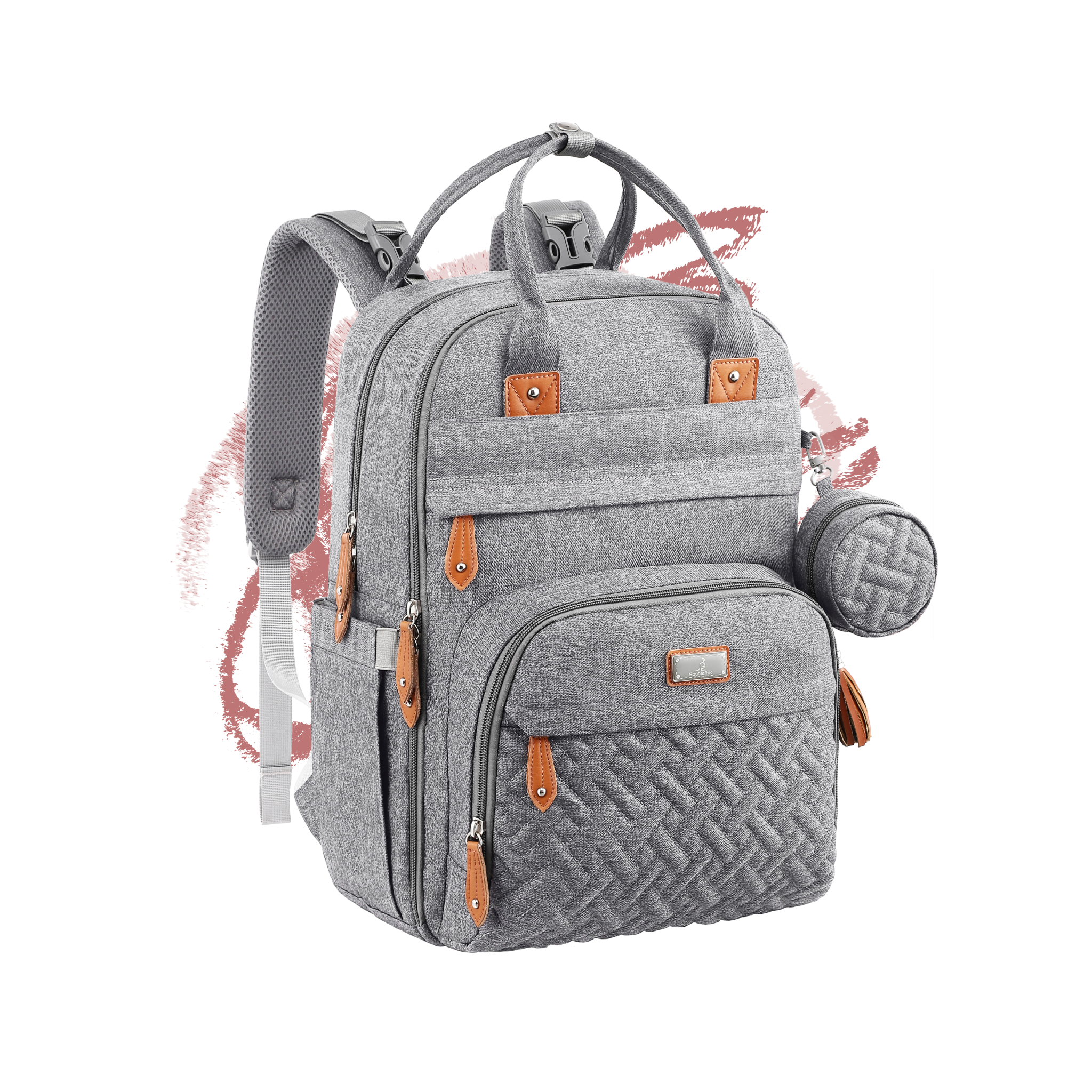
The Original Diaper Bag is the bag many families keep for that split, with room for a spare outfit beside the rolled carrier. Longer weekends sometimes use the All Day Bundle when the bag and daily extras travel together. A roomier backpack for two kids is the XL Original Diaper Bag, and a bag that opens flat for a quick grab is the Wide Top Diaper Bag. Those travel sizes also sit in the best diaper bag for travel collection and the best large diaper bag backpack page. Pocket order for repeat trips is in tips to maximize efficiency in your diaper bag. Walking kids sometimes carry a small toddler backpack for a block, with pack lists in the toddler backpack guide and must-haves.
Carrier, Bag, and Stroller on the Same Trip
A travel toddler carrier does not replace every wheel. It covers stairs, cobbles, and the moment a stroller has to fold. Wheels cover flat distance. A bag holds diapers and snacks.
Families who roll most of the day often read the best travel strollers for toddlers beside carrier notes, with a wider fold comparison in the best travel strollers guide. The HopLite Travel Stroller is the compact stroller in that set, built to fold small for overhead bins and tight trunks. The Roll & Reach Bundle puts stroller-and-bag travel in one setup for families who want both pieces packed before they leave. The Best of Both Bundle is the set that keeps a carrier and a stroller on the same plan. First looks at wheel size sit in the compact stroller buying guide for new parents and the baby stroller shopping guide.
Bags matter once the carrier is on. A regular backpack and a parent bag are not the same job. The travel diaper backpack vs regular backpack comparison spells out pockets, changing pads, and bottle sleeves. The best travel diaper backpacks for toddlers sit next to that for families comparing day-bag size. The diaper bag backpack collection gathers those styles in one place.
Small organizers fill the gaps. The Flo Tote holds a structured set of pockets for parents who like a tote shape. The Flo Caddy is the open organizer parents clip where wipes and a spare shirt need to stay visible, which is the same idea behind stroller bag organizers. A portable changing mat covers hotel floors and park benches. The diaper caddy guide explains how a small caddy moves from car to room. Wider sets of these pieces live in the baby gear bundles collection.
Best Toddler Carrier for Travel in 2026
1) BabbleRoo - Best Toddler Carrier for Travel in 2026
Grow+ Carrier

Description (Grow+ Carrier):
Crafted for Comfort. Designed to Grow With You.
The Grow+ Carrier is a versatile, all-in-one baby carrier designed to grow with your child from newborn to toddler years (7–50 lbs). It offers secure, comfortable carrying for both parent and baby throughout every stage.
Why Parents Love It:
-
Grows With Them (7–50 lbs): From newborn snuggles to active toddler years
-
Safe by Design: Dual-Lock system with reinforced zipper plus safety buckle to keep the seat and panel securely connected
-
Cooler, Extended Comfort: Organic cotton-plus-mesh body and ventilated panel keep airflow moving so neither of you overheats
-
Smarter Storage: Under-seat compartment, expandable bottle pocket, and magnetic quick-access pouch for your phone and keys
-
Extra-Padded Curved Straps: Wide waist belt and curved straps shift weight to your hips, reducing shoulder strain
-
Removable Bib & Teething Pads: Easily detachable for quick washing - perfect for handling spit-up and drool
Made from:
-
Premium Organic Cotton + Mesh (breathable and ultra-gentle on baby’s skin)
Ready to carry with confidence and comfort? Add the Grow+ Carrier to your cart today and enjoy every moment with your little one.
Grow Carrier

Description (Grow Carrier):
Crafted for Comfort. Designed for Adventure.
Experience every cuddle, every stroll, and every giggle hands-free with the BabbleRoo Grow Carrier - thoughtfully designed to grow with your child from 3 to 24 months (7–50 lbs). Whether you’re running errands or exploring the outdoors, our carrier offers 6 ergonomic carrying positions to keep your baby secure and close, while giving your back and shoulders the support they need.
Why Parents Love It:
-
6-in-1 Carrying Options - From newborn snuggles to toddler piggybacks
-
Ergonomic Hip-Healthy Design - Promotes proper hip development
-
Ultimate Comfort for You - With padded shoulder straps, lumbar support, and breathable fabric
-
Adjustable Fit - One-size-fits-most (XS to XL)
-
Practical Details - Head support, padded leg openings, and a smart wrap with 3 convenient pockets
-
Machine Washable - Because life with little ones gets messy
Made from:
-
87% Polyester
-
13% Spandex (for that perfect stretch)
Need help using it?
Carry Closer. Bond Stronger.
With the BabbleRoo Carrier, every moment is a chance to connect effortlessly, comfortably, and confidently.
Discover Also:
The On The Go Bundle

Description: (The On The Go Bundle):
Benefits
-
The full mobility toolkit - everything from newborn days through toddler years, all in one package
-
HopLite Travel Stroller: featherlight at 12.3 lbs, newborn-safe, folds in 2 seconds, TSA approved
-
Grow+ Carrier: 6-in-1 ergonomic design supporting 7–50 lbs with hip seat and built-in lumbar support
-
Original Diaper Bag: 19 smart pockets and water-resistant exterior - the organized companion for every outing
Bundles Include
-
HopLite Travel Stroller: Built for the smallest explorers. Newborn-approved and parent-friendly so every trip feels effortless and secure.
-
Grow+ Carrier: Keep baby close while staying hands-free. Soft, supportive, and comfortable for both of you.
-
The Original Diaper Bag: Roomy, functional, and polished - your go-to bag for keeping essentials sorted and adventures ready.
The Best of Both Bundle

Description: (The Best of Both Bundle):
Benefits
-
Two carry options, one seamless day - the full mobility kit ready for every stage
-
Grow+ Carrier: 6-in-1 ergonomic design in organic cotton, supports 7–50 lbs for cozy, hands-free closeness
-
HopLite Travel Stroller: only 12.3 lbs, newborn-safe, 2-second fold, TSA approved when baby needs room to stretch
-
Swap between carrier and stroller in seconds so you’re prepared for whatever the day brings
Bundles Include
-
Grow+ Carrier: Elevated carrying made simple. Soft organic cotton, dual-lock security, plus under-seat storage built for parents who pack it all.
-
HopLite Travel Stroller: Created for the smallest explorers. Newborn-approved and parent-friendly so every outing stays easy and worry-free.
The Carry It All Bundle

Description: (The Carry It All Bundle):
Benefits
-
Stay completely hands-free and organized - keep baby close while every essential stays right within reach
-
Grow+ Carrier: 6-in-1 design, ergonomic Hip Seat, organic cotton, under-seat storage, supports 7–50 lbs
-
The Flo Tote: 14 internal pockets, water-repellent shell, structured base - the capable companion bag that carries the load
-
Quick trips: carrier + under-seat pouch. All-day adventures: carrier + Flo Tote. Ready for either
Bundles Include
-
Grow+ Carrier: Advanced everyday carry. Soft organic cotton, dual-lock safety system, and convenient under-seat storage built for parents who pack it all
-
The Flo Tote: Soft yet structured and fully organized. The tote that takes on the heavy lifting without adding bulk
|
Carrier Name |
Description |
Pros |
Cons |
|
Ergobaby Omni 360 (Omni Classic) |
The Ergobaby Omni 360, also referred to as the Omni Classic, is a highly versatile soft-structured carrier praised for its adaptability across newborn to toddler stages. It features a 4-in-1 design with front-inward, front-outward, hip, and back carry positions, making it ideal for travel due to its flexibility and compact design. The carrier is made with breathable mesh fabric to keep both parent and child cool, especially in warm climates, and includes padded shoulder straps and lumbar support for long-wear comfort. Its ergonomic M-position seat ensures hip-healthy positioning, and it’s adjustable to fit a wide range of body types, making it easy for parents to share carrying duties during travel. The carrier also offers a privacy hood for sun protection or nursing, and it folds compactly for easy packing in a suitcase or carry-on. Parent testers, like those from The Amaro Adventure, note its durability and ease of use during airport sprints, grocery runs, and camping trips. It’s particularly suited for urban travel or short hikes, as it’s lightweight (1.7 lbs) and doesn’t require the bulk of a framed hiking carrier. The Omni 360 is machine-washable, a crucial feature for travel when dealing with spills or messes. Its intuitive one-step adjustment system with Velcro tabs and color-coded stripes simplifies transitions between newborn and toddler settings, which is great for parents on the go. However, it may not be ideal for extended hiking due to less robust support compared to framed carriers. |
- Versatile 4-in-1 carry positions - Lightweight (1.7 lbs) and compact for travel - Breathable mesh for warm climates - Adjustable for multiple caregivers - Machine-washable - Hip-healthy M-position - Privacy hood for sun protection or nursing |
- Less supportive for long hikes - May feel snug for larger toddlers nearing 45 lbs - No built-in storage pockets |
|
LÍLLÉbaby CarryOn Airflow |
The LÍLLÉbaby CarryOn Airflow is a soft-structured carrier designed specifically for toddlers, with a higher weight limit (25–60 lbs) and a wider, longer seat for larger kids. Its breathable 3D mesh construction makes it an excellent choice for travel to warm destinations, as it keeps both parent and toddler cool. The carrier offers three carry positions (front, hip, and back), with the back carry being particularly popular for toddlers who enjoy a higher vantage point. It features thick, padded shoulder straps and a supportive waist belt (up to 52 inches) for even weight distribution, which is critical for carrying heavier toddlers during travel. Parent reviews, such as those on babytoddlertravel.com, highlight its superiority over strollers in warm climates and its suitability for travel scenarios like airports or uneven terrain in Europe. The carrier includes two storage pockets for essentials like diapers or snacks, and its machine-washable fabric is a boon for messy travel days. The LÍLLÉbaby CarryOn is praised for its durability and ability to support toddlers up to preschool age, making it a long-term investment. However, it’s less suitable for petite parents due to its bulkier design, and it lacks a front-outward position, which some toddlers may prefer for sightseeing. |
- High weight limit (up to 60 lbs) - Breathable 3D mesh for hot climates - Wide, supportive seat for toddlers - Machine-washable - Two storage pockets - Great for back carries |
- Bulky for petite parents - No front-outward position - Slightly heavier (2.2 lbs) than other soft carriers |
|
Deuter Kid Comfort Pro |
The Deuter Kid Comfort Pro is a premium framed hiking carrier designed for outdoor adventures but also highly effective for travel, especially for families who plan to hike or explore rugged terrain. Weighing 8.8 lbs, it’s heavier than soft-structured carriers but offers superior support for long distances thanks to its aluminum frame, adjustable torso, and padded hip belt and shoulder straps. It supports toddlers up to 48 lbs (plus gear) and features a side-entry design, allowing toddlers to climb in independently, which is convenient for travel scenarios like airports or trailheads. The carrier includes a sunshade, a soft headrest for naps, and multiple storage compartments, including a hydration bladder pocket, making it ideal for day trips or sightseeing. Parent testers from Wirecutter and Outdoor Life praise its comfort for both parent and child, noting its ability to handle cobblestone streets in Europe or trails in national parks. However, a voluntary recall was issued in March 2025 for units sold between March 2023 and February 2025 due to a hinge issue, so buyers should verify the lot number and request a replacement if needed. Its bulk makes it less ideal for urban travel or tight spaces like subways. |
- Excellent for hiking and rugged travel - High weight capacity (48 lbs + gear) - Adjustable torso for multiple users - Side-entry for toddler independence - Sunshade and storage compartments - Comfortable for long distances |
- Heavy (8.8 lbs) and bulky for urban travel - Recall issue (check lot number) - Expensive |
|
Osprey Poco Premium |
The Osprey Poco Premium is another top-tier framed hiking carrier, lauded for its balance of comfort, storage, and travel-friendly features. At 8.6 lbs, it’s slightly lighter than the Deuter Kid Comfort Pro and offers a high weight capacity (48.5 lbs including gear). Its adjustable torso and hip belt fit a wide range of adults, making it easy for parents to alternate carrying duties. The carrier features a built-in sunshade, ample storage (20L), and a side-entry design, which is practical for travel scenarios where toddlers need quick in-and-out access. Testers from Treeline Review and Mumsnet highlight its suitability for both hiking and urban travel, such as navigating airports or city sightseeing. The breathable mesh back panel and padded cockpit ensure comfort for both parent and child, and the machine-washable fabric is a plus for travel messes. However, like the Deuter, it’s bulky for crowded urban environments, and its premium price may deter budget-conscious travelers. |
- High weight capacity (48.5 lbs) - Adjustable for multiple users - Ample storage (20L) - Side-entry and sunshade - Breathable mesh back panel - Machine-washable |
- Bulky for urban travel - Expensive - Slightly less padding than Deuter |
|
Tushbaby Hip Seat Carrier |
The Tushbaby Hip Seat Carrier is a unique, non-traditional carrier that straps around the waist, providing a memory foam-lined seat for toddlers to sit on. It’s designed for short-term carrying (up to 45 lbs) and is ideal for travel scenarios where toddlers alternate between walking and being carried, such as airports or theme parks. Weighing just 1 lb, it’s the lightest option on this list and folds compactly into a diaper bag. It features multiple storage pockets, including a phone pocket, bottle holder, and loops for toys, effectively doubling as a mini diaper bag. Forbes Vetted testers, including a parent who used it at Disney, praise its comfort and ease of cleaning. However, it’s not hands-free, requiring one hand to support the child, which can be a drawback during busy travel moments. It’s also less supportive for long-term carrying compared to full carriers. |
- Ultra-lightweight (1 lb) - Compact and packable - Multiple storage pockets - Easy to clean - Great for short carries |
- Not hands-free - Limited to hip carry - Less supportive for long periods |
|
Thule Sapling Child Carrier |
The Thule Sapling Child Carrier is a framed toddler backpack from Thule, headquartered in Malmö, Sweden, and widely available in the United States for families who want a travel carrier that can also handle park trails, cobblestone streets, and national-park paths. Thule rates the seat for children from 16 to 40 pounds, with a maximum combined load of 48.5 pounds for the child, gear, and pack. The carrier itself is listed at 8.4 pounds. An aluminum frame and a fully ventilated back panel shift the load onto the hips instead of the shoulders, which matters once a toddler is too heavy for a long day in a soft carrier. The torso length and hip belt are fully adjustable, so two parents can share the same pack on a trip without a full refit at every handoff. The ErgoRide child seat is built with under-leg support and a ventilated sitting area, and both the seat and the drool pad come out for machine washing after airport snacks, sunscreen, and trail dust. Dual access is one of the travel-friendly details: a child can be loaded from the top or through a side panel, which is useful when a toddler will only climb in from one side at a trailhead or hotel curb. A deployable UPF 50 sunshade folds away when it is not needed and covers the cockpit on bright sightseeing days. Side zippers open a 22-liter gear compartment while the pack is still on, so diapers, layers, and snacks do not require a full stop. The body uses recycled polyester, the fabrics are PFC-free, and a drink-tube port makes the main compartment hydration compatible. It remains a full backpack rather than a pouch that disappears into a personal item, so it fits road trips, resort walks, and day hikes better than a tight overhead bin. |
- Child range 16–40 lb, with a 48.5 lb maximum load - 22 L gear compartment accessible while worn - UPF 50 sunshade and side or top loading - Removable, machine-washable seat and drool pad - Adjustable torso and hip belt for sharing between caregivers - Hydration compatible; recycled polyester body |
- Heavy at 8.4 lb compared with soft carriers - Bulky for overhead bins and crowded transit - Child limit stops at 40 lb |
|
Kelty Journey PerfectFIT Elite |
The Kelty Journey PerfectFIT Elite is a framed hiking child carrier from Kelty in Boulder, Colorado, aimed at families whose travel includes real walking: canyon overlooks, lake paths, theme-park back routes, and any city where a stroller fails on stairs or cobbles. Kelty lists a child range of 16 to 40 pounds and a maximum load of 48.5 pounds for child, gear, and pack. Empty weight is 7 pounds 4 ounces. The PerfectFIT suspension adjusts across a torso range of 15.5 to 21 inches, so caregivers of different heights can trade the pack during a long travel day without rebuilding the fit from scratch. A padded aluminum roll cage surrounds the cockpit, and a five-point harness keeps a squirmy toddler seated while the adult climbs steps or boards a shuttle. The seat base is wide, closer to a natural rest position, and adjustable foot stirrups give dangling legs a place to land on longer carries. Storage is the practical travel piece: 26 liters, seven exterior pockets, a reservoir sleeve for parent and child, and a zippered dirty compartment that wipes clean after wet wipes, sandy shoes, or a spilled snack. An integrated sunshade is included for exposed overlooks and open-air queues. Body fabric is 420D nylon with a 140D nylon blend, and packed dimensions are about 28 by 15.5 by 22 inches. Multiple grab handles make it easier to lift the loaded carrier into a trunk or onto a bench. It is a strong match for national-park days and resort paths, and a poor pocket item for airport security lines. |
- 26 L storage and seven exterior pockets - Torso adjusts from 15.5 to 21 inches for shared wear - Five-point harness and padded aluminum roll cage - Sunshade, foot stirrups, and hydration sleeve - Wipe-clean dirty pocket for travel messes - Maximum load 48.5 lb |
- 7 lb 4 oz empty, bulky for urban travel - Child weight limit is 40 lb - Too large to treat as a personal item on a flight |
|
Beco Toddler Carrier |
The Beco Toddler Carrier is a soft-structured buckle carrier built for older toddlers rather than newborns, which makes it a direct fit for the travel stage when a child can walk the jet bridge and then demand to be carried through the terminal. Beco’s instructions limit use to children from 20 to 60 pounds, about 9 to 27 kilograms, a higher ceiling than many all-stage carriers and enough for many preschoolers on city trips. Retail sizing often points to about 18 months through roughly five years, once a child is comfortably in larger pants. The pack panel is generous, about 18 by 19 inches, with a shaped seat and padded leg openings so the knees can stay supported in an M-position instead of dangling. Shoulder straps are padded and can be crossed for a front carry; a supportive waist belt runs from about 26 to 59 inches and includes a storage pocket for a passport sleeve, pacifier, or snack bag. A removable hood, built-in headrest, and snap-on zip pouch cover naps on trains, sun on open piers, and the small essentials that usually live in a diaper bag. Listed weight is about 0.65 kilogram, roughly 1.4 pounds, light enough to live in a carry-on between uses. Fabric is polyester with a light 3D mesh panel for warmer destinations, and the carrier is machine washable after the inevitable travel spill. A three-point safety buckle closes the panel. It is aimed at front and back carries for families who already know their child is past the infant stage and want a packable seat through the preschool years. |
- High weight rating of 20–60 lb - About 1.4 lb and packable for a carry-on - Wide seat with padded leg openings - Removable hood, zip pouch, and waist pocket - Waist belt about 26–59 inches for shared wear - Machine-washable polyester with 3D mesh |
- Not for infants; starts around 20 lb - Soft structure is less supportive on long hikes - Fewer carry positions than all-stage carriers |
|
Kinderpack Toddler Carrier |
Kinderpack, a U.S. soft-structured carrier maker, sizes panels by the child instead of asking one body panel to stretch from newborn to preschooler. That sizing is useful for travel with a taller toddler whose legs spill out of a standard baby carrier. The Toddler size is suggested for about 18 months to four years, 25 to 45 pounds, and children from about 32 inches tall. The body panel measures 18 inches high by 19 inches wide, wide enough for a knee-to-knee seat so hips stay supported on long museum days and airport walks. Kinderpack notes that suggested weight is about proportion, and that each size can hold more than the suggested range, with comfort depending on the child’s build. Standard, Preschool, and Child sizes sit beside it, including a Child size suggested from about 45 to 85 pounds for families who still carry a school-age child through theme parks or historic districts. Shoulder straps come in two parent lengths so a shorter and a taller caregiver are not stuck with the same webbing. The buckle design supports front and back carries, with padded straps and a supportive waistband that moves weight to the hips. Because the panel is fixed to a size, it packs flatter than a framed hiking carrier and fits a suitcase more easily, while still giving a taller toddler a seat that does not end mid-thigh. It is a custom-fit travel carrier rather than a one-panel-fits-all design. |
- Toddler panel sized for about 25–45 lb and from 32 inches tall - Body panel 18 by 19 inches for a wide, knee-to-knee seat - Separate sizes through a Child panel suggested to 85 lb - Two shoulder-strap lengths for different caregivers - Soft buckle design packs flatter than a frame pack - Front and back carry options |
- A too-large panel will not fit a smaller child - Families may need a second size as the child grows - No frame or large gear compartment for trail days |
|
Chicco SmartSupport Backpack Carrier |
The Chicco SmartSupport Backpack Carrier is a flat-fold framed carrier from Chicco, part of Artsana in Como, Italy, and stocked through major U.S. baby retailers for families who want hiking-pack support without a full expedition setup. The manual limits use to children who can sit upright unassisted, from 17 to 40 pounds, with a maximum overall load of 42 pounds for child plus cargo, roughly the 6-to-36-month window. Assembled weight is 6.2 pounds. An aluminum frame spreads weight along the back, shoulders, and hips, and a built-in kickstand lets a parent set the carrier down, load a toddler, and lift it without balancing a soft panel on one hip in a parking lot or at a trailhead. The seat height adjusts as the child grows, and a five-point harness closes around the child. An adjustable UPF 50+ canopy includes a pull-out visor for sun and light rain on exposed queues, boat decks, and zoo paths. 3D mesh runs across the back, lumbar area, waist belt, and shoulder straps to move air on warm travel days. The waist belt is designed for about 30 to 50 inches. Reflective details add visibility on dusk walks back to a hotel. Folded dimensions are about 16.8 by 7.8 by 34.5 inches, narrow enough for a trunk, closet, or train luggage rack. Chicco specifies walking use, not cycling, skiing, or climbing. It sits between a pocket soft carrier and a large trail pack for zoo days, cruise ports, and short scenic loops. |
- Kickstand and aluminum frame for easier loading - UPF 50+ canopy with a pull-out visor - 6.2 lb, lighter than many framed packs - Flat fold to about 16.8 by 7.8 by 34.5 inches - Height-adjustable seat and five-point harness - 3D mesh on the back, lumbar, waist, and straps |
- Child limit is 40 lb; overall load is 42 lb - Not rated for sports such as cycling or skiing - Waist belt tops out around 50 inches - Still bulkier than a soft carrier in transit |
|
Phil & Teds Parade Child Carrier |
The Phil & Teds Parade Child Carrier is a lightweight framed back carrier from Phil & Teds in Wellington, New Zealand, sold in the United States for families who want a hiking-style seat without the bulk of a full expedition pack. Independent lab listings put child use at 16 to 40 pounds, with a maximum pack load around 40 pounds, and an empty weight near 4.6 pounds. Other retailer notes describe use from a child who can sit unaided through about 18 kilograms, or roughly 40 pounds, often framed as about 6 months to 4 years. The aluminum frame folds flatter than many framed carriers, with a stored size near 14 by 7.5 by 24 inches, which helps in a car trunk, train luggage rack, or hotel closet between sightseeing days. A mesh back panel and padded hip belt carry the load, and the harness is adjustable so the same pack can move between caregivers. Fabric is a mix of 300D and 600D cloth. The design does not include foot stirrups, so legs hang free, and a sun canopy is not standard equipment. Storage is also more limited than on larger hiking packs, and the fabric is fixed to the frame, so cleanup is spot cleaning rather than a machine wash. It is a back-carry pack for city walking tours, easy trails, and resort paths once a toddler can sit up, not a multi-position soft carrier for front or hip carries in a security line. |
- Light for a framed carrier at about 4.6 lb - Folds to about 14 by 7.5 by 24 inches - Mesh back panel and padded hip belt - Aluminum frame with an adjustable harness - Rated about 16–40 lb once the child sits unaided - Easier to stash than larger hiking packs |
- Back carry only, no front or hip position - No stirrups and no standard canopy - Maximum load around 40 lb, with limited storage - Fabric is fixed to the frame, so cleanup is spot cleaning |
|
Catbird Baby Pikkolo |
The Catbird Baby Pikkolo is a soft-structured carrier built for the newborn-to-toddler window, with a manufacturer range of 8 to 40 pounds, about 3.5 to 18 kilograms. Net weight is about 1.4 to 1.8 pounds depending on the listing, light enough to count as a personal item on a flight and to stay in a day bag between uses. Four positions are built in: front inward, front outward, hip, and back, so a family can switch from a security-line cuddle to a sightseeing outward carry without a second carrier. An adjustable base cinches the panel from 13.5 inches wide down to about 7.75 inches, so the seat can narrow for a smaller baby and open for a toddler without a separate infant insert, which is one less piece to pack. The body panel is 13.5 inches wide by 19 inches tall in cotton canvas. Shoulder straps use memory foam, about 3.5 inches wide on top of the shoulder and tapered to about 2.5 inches under the arm so a back carry does not bunch. Dual-adjust buckles tighten from the front, which helps during one-handed adjustments in a queue. An attached hood stretches to about 15 inches and tucks into its own pocket for naps or sun. Wearer testing has covered about 4 feet 10 inches to 6 feet 2 inches, with a waist span near 54 inches including the panel. It favors city travel, transit, and short outings over long trail days. |
- Four positions, including front outward and hip - About 1.4–1.8 lb and packable for flights - Adjustable base, no infant insert required - Memory-foam straps that taper for back carries - Attached hood that tucks away - Wearer fit tested from about 4'10" to 6'2" |
- Weight ceiling is 40 lb - Cotton canvas is less airy than mesh in hot weather - Panel is narrower than dedicated toddler carriers - No frame support for long hikes |
|
Colugo Carrier |
The Colugo Carrier is a soft-structured travel carrier from Colugo, a U.S. baby-gear brand, made to fold into a diaper bag for airport corridors, neighborhood walks, and days when a stroller is more hassle than help. The original model is rated from 7 to 33 pounds. Front inward is intended from about 7 to 13 pounds, with front inward, front outward, and back carry from about 14 pounds once the child is in the larger setting. Listed carrier weight is about 1.5 pounds, light enough to keep packed between gate changes. A sunshade, head support, and an infant adjustment panel change the fit between the smallest babies and older sitters, so one carrier can cover a trip that starts with a young baby and continues into the early toddler months. Two pockets are built in: a waist pocket for keys, a boarding pass, or a pacifier, and a front body pocket for a spare diaper, wipes, or a small change of clothes. Fabric is a lightweight, breathable blend meant to fold small and air out in warm terminals. A later Carrier 2 listing raises the ceiling to about 35 pounds and spells out four carry modes, including a UPF 50 shade. Either version stays in the young-toddler range rather than the 45-to-60-pound preschool band. It is a compact travel carrier for families whose child is still under the mid-30-pound mark and who want front, outward, and back options without a frame. |
- About 1.5 lb and easy to pack in a diaper bag - Front inward, front outward, and back carry - Sunshade, or a UPF 50 shade on Carrier 2 - Waist pocket and front body pocket for travel essentials - Head support and an infant adjustment panel - Useful from 7 lb through the low-30-pound range |
- Original limit is 33 lb; Carrier 2 is about 35 lb - Not a fit for heavier preschoolers - Soft build is less supportive on long hikes - Storage is limited to small pockets |
Discover the best toddler carrier for travel in 2026 - BabbleRoo
Comfort on City Walks, Hotels, and Trail Days
Hotel stairs and old streets are where a wide seat and a firm waistband earn their place. Weight sits on the hips when the belt is snug. Shoulder straps then keep the child centered instead of pulling the adult forward. Seat shape and strap padding are the core of the best ergonomic baby carrier guide, and the broader styles sit in the best baby carrier collection. On those streets, the best carrier is the one that keeps the load on the hips after the first hour.
Signs a family is ready for a taller toddler setup show up in the guide on when to switch to a toddler carrier notes: knees no longer reach the panel edge, short carriers already tire the shoulders, and park or travel lines happen often. A plain-language fit check also sits in what you need to know about toddler carriers, with taller panels in the best carriers for toddlers. Newborn trips are a different fit. The best baby carrier for newborns covers the early months, the best infant carrier collection groups those smaller seats, and the benefits of a baby carrier explains why close carrying still helps once the child is older. The Grow Carrier is the simpler soft body for families who want that daily hold without extra pockets.
Trail days ask for more torso support and a seat that still holds the legs in an M shape. The best toddler carrier for hiking separates short scenic walks from longer dirt paths. Outdoor stops follow the family outdoor adventure tips and the family camping checklist. Cooler park days have their own pace in family outings in the fall.
Nap habits on trips stay simple:
-
The hood supports the head without blocking the nose or mouth.
-
The adult checks that the chin is off the chest.
-
A back carry can work for a sleeping toddler if the panel reaches high enough.
-
A wake-up usually means feet on the ground for a block, then back up when the legs quit.
Fabric, Weather, and Cleanup After the Trip
Warm cities favor mesh panels and cotton that lets air move. Cooler stops favor a light layer on the child, not a thick pad stuffed into the seat. BabbleRoo’s Grow+ Carrier uses organic cotton plus mesh, with a ventilated panel for contact naps. The best breathable baby carrier post explains why a ventilated panel helps on a sunny street. Hot-weather bag fabric is the matching note in travel diaper backpacks for summer vacations.
Mess is part of travel. Detachable bibs and teething pads keep drool off the main body. A machine-washable carrier can go in the wash after a sticky day instead of staying damp in a suitcase. Parents who travel with more than one adult often pack the spare pads in the day bag so a rinse at the hotel sink is enough until laundry day. Dry wipes handle a seat, hands, and a quick face wipe, with refill sizes in the best dry wipes collection and the best disposable dry wipes page. How a backpack holds up after repeat trips is in the guide on maintaining your diaper backpack. Small washable extras live with all accessories.
Latest News In 2026
Toddler travel carriers in 2026 are leaning toward one carrier that still fits after the child starts walking, plus storage a parent can open with one hand. Current picks in that direction sit in the best baby carrier recommendations collection and the best baby carrier review page, with newer pieces on the new collection shelf. In that set, the best carrier is the one that still fits after the child starts walking and still opens with one hand.
BabbleRoo’s current travel set reflects that shift:
-
The full mobility kit is the On The Go Bundle, with a carrier, a light stroller, and a day bag in one pack plan.
-
The Full Setup Bundle adds a tote and a caddy to the stroller for families who roll most of the day.
-
The Carry It All Bundle keeps the carrier and a tote together for hands-free city days.
-
Lighter wheels for 2026 gate days are covered in the guide on the best lightweight strollers.
-
Bag updates include the Wide Open Bundle, the Luxe & Go Bundle, and the Elevated Edit Bundle.
-
Leather-leaning day bags sit in the best vegan leather diaper backpack collection, including the vegan leather original diaper bag.
Shared wearing is part of the same news. Waistbands that reach a wide adult range, and straps a second parent can reset, mean one carrier can move between caregivers on a long day. Hip-healthy seat shape and a clear view of the child’s face remain the checks families still use before a carrier goes in the suitcase.
FAQ
What is the best toddler carrier for travel?
The best toddler carrier for travel is a light soft carrier with a wide seat, a firm waistband, and more than one carry position. Families who want that range in one piece often use the Grow+ Carrier, which supports about 7 to 50 pounds, with a hip-healthy M-position, a sun hood, and a waist fit up to 50 inches. Front inward carry covers waits and naps. Back carry covers longer walks. Hip carry covers the short ups between those two. Organic cotton plus mesh lets air move on warm city days, and extra-padded curved straps shift weight toward the hips so a long sidewalk does not sit only on the shoulders. A Dual-Lock zipper with a safety buckle keeps the fit closed while the adult is moving. Under-seat storage and a magnetic pouch hold a small item without a full bag search. A sun hood supports a nap or a bright street as long as the nose and mouth stay clear. Detachable bibs and teething pads, plus a machine-washable body, matter once a trip gets sticky, because drool and snacks show up on hotel days as often as they do at home. The same carrier can move between two adults when the waistband and straps reset quickly, which is why shared fit shows up so often on family trips. Those soft structured styles sit together in the collection of baby carriers.
Can a toddler carrier go through airport security?
Yes. A child can stay in a soft toddler carrier through the line when staff can see the face and the carrier has no metal frame. Tickets, shoes, and a small bag stay in the adult’s hands while the child rides. A folded stroller is the piece that usually waits until the group is moving again. Parents who already roll part of the day often pair that gate routine with notes from the best travel system strollers. The waistband, chest clip, and leg position sit in place before that walk starts. Back carry keeps the adult’s front clear in a crowded hall. Front inward carry fits a younger toddler who wants a chest to lean on during a delay. A light hood can cover a nap as long as the nose and mouth stay clear and the chin is not tucked to the chest. Valuables stay in the adult bag, not in a pocket under the child, so a bin check does not mean unloading the whole carrier. Buckles that an adult can reach also help in a seat row later, when the group sits down and the child wants out for a minute. Many families keep the carrier on for the moving parts of the airport, then loosen it once they are seated at the gate.
Is a toddler carrier allowed on a plane?
A soft carrier is worn like clothing, so it does not need its own bin the way a stroller might. It is not a car seat, and it is not a restraint for takeoff and landing. During the flight, many parents unbuckle and hold the child on a lap when the seatbelt sign is on. Between flights, the same carrier rolls into a suitcase corner or a day bag so it is ready at the curb. Straps stay loosened so the next adult can step in without a long reset. The Original Diaper Bag is a common home for that roll, with room for a spare outfit beside the straps. Pads and a bib ride in the day bag rather than stuffed into the seat. A thin layer for the child also stays in that bag, so the seat panel does not get bulky in a warm cabin. After the trip, washable fabric and detachable pads make the reset faster than leaving a damp carrier in the suitcase. The same pack shape shows up on drives: the carrier is for stops, and the car seat is for the vehicle. A sling can still cover a very short hop from the car to a door, while the soft structured carrier covers the longer walking parts of the day. Bag shape for that cabin pack is the focus of choosing the perfect diaper bag for your lifestyle.
When should parents switch to a toddler carrier for trips?
The switch usually shows up when the panel no longer reaches knee to knee, short carries already tire the shoulders, or travel lines happen often. A taller seat and a stronger waistband take the extra height and weight that a smaller carrier starts to miss. Legs that hang low, or a panel that no longer supports the knees, are the usual clues that the old fit is done. Younger babies are a different fit, which is why newborn trips still follow a smaller seat from the best baby carrier for newborns collection. Close carrying still helps after the child is walking. On the road, the carrier is for stops, parks, and hotel walks. The car seat stays the seat for the drive. Shared strap range also matters when two adults trade the same carrier on a long day, because a waistband that fits both parents means one carrier can cover the whole trip. Dads who take the second shift often look at that strap range first. Hotel stairs and old streets are usually the moment a wider toddler seat earns its place.
Should a travel day use front carry, back carry, or a stroller?
Front carry fits security, delays, and younger toddlers who want a chest to lean on. Back carry fits crowded halls and longer city walks because the adult’s front stays clear and the load sits closer to the hips. Hip carry fills shop doors and short blocks. Front outward carry fits curious walkers who want to see the street once head and trunk control are steady. A stroller still wins on long flat paths when the child wants to sit alone. Families who pack both often fold the HopLite when the carrier goes on, then open it again when the sidewalk is flat and the legs are done. Wipes and a spare shirt stay visible in a caddy, so the main bag does not have to come off at every stop. A changing mat covers hotel floors and park benches when a full bag unload would slow the stop. Trail days ask for more torso support. Most travel days use more than one of these, because a child who walks one block often wants to be up on the next. Wheel choices for the flat stretches sit in the guide on the best baby strollers.
Discover the best toddler carrier for travel in 2026 - BabbleRoo
もっと見る

Hiking with your toddler is one of the most fun ways to make memories and help your little one fall in love with nature. But let’s be honest, carrying a wiggly toddler up a mountain isn’t always ea...

Parenting in 2025 is all about making life easier and looking great while doing it. Diaper bags have come a long way from the bulky totes of the past. Today’s parents want a bag that’s practical, s...