
Best Front Facing Baby Carrier in 2026
Finding a reliable front facing baby carrier means focusing on support, breathability, and adjustability for both you and your baby. These carriers let parents bond closely while giving babies a view of the world ahead. Ergonomic designs or mesh fabrics help with airflow during active days. Babbleroo stands out with innovative options that prioritize everyday use. Ready to find the perfect fit? Dive into our detailed picks below.
For parents exploring more ways to stay comfortable and supported on the go, it’s worth diving into guides that break down what matters most in a carrier. From choosing the best ergonomic baby carrier for healthy hip positioning to selecting the best breathable baby carrier for warm-weather adventures, understanding these features can make every outing easier. And if you're planning trips with an older little one, checking out the best toddler carrier for travel ensures you’re ready for longer journeys without sacrificing comfort.
Discover the best front facing baby carrier - BabbleRoo
Why Choose a Front Facing Baby Carrier
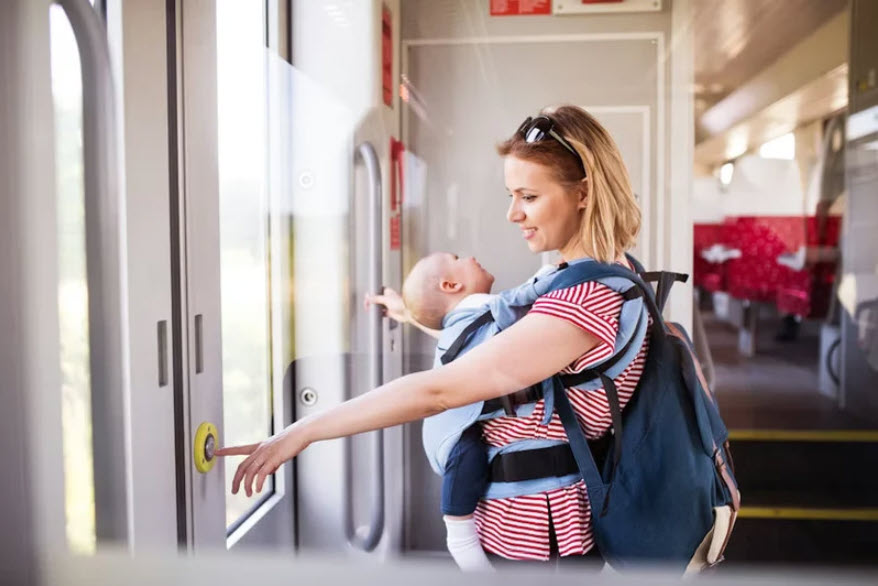
Parents often pick front facing carriers because they allow babies to see outward once ready, boosting curiosity and interaction. This position suits older infants with strong neck muscles, typically around six months. It distributes weight evenly across your shoulders and hips, reducing strain during longer outings. Some designs include padded straps and lumbar support for added ease. Breathable materials prevent overheating, especially in warmer weather. Overall, these carriers promote bonding while offering freedom of movement.
Key Features to Look for in a Carrier
Look for adjustable straps that fit various body types, ensuring a snug hold without slipping. Wide seats support healthy hip development by keeping knees higher than hips in an M-shape. Quick-release buckles make putting on and taking off simple. Pockets for small items add practicality for on-the-go needs. Durable fabrics resist wear from daily use. These elements combine for a carrier that's both functional and long-lasting.
How Front Facing Baby Carriers Support Baby Development
Front facing baby carriers give older infants and toddlers the chance to safely explore the world while staying close to their parents. Once babies have strong neck control - usually after six months - this outward-facing position satisfies natural curiosity and supports healthy cognitive development through visual stimulation. The carrier keeps the baby’s body well-supported against the parent’s chest while positioning their legs in a wide, ergonomic spread that promotes proper hip development.
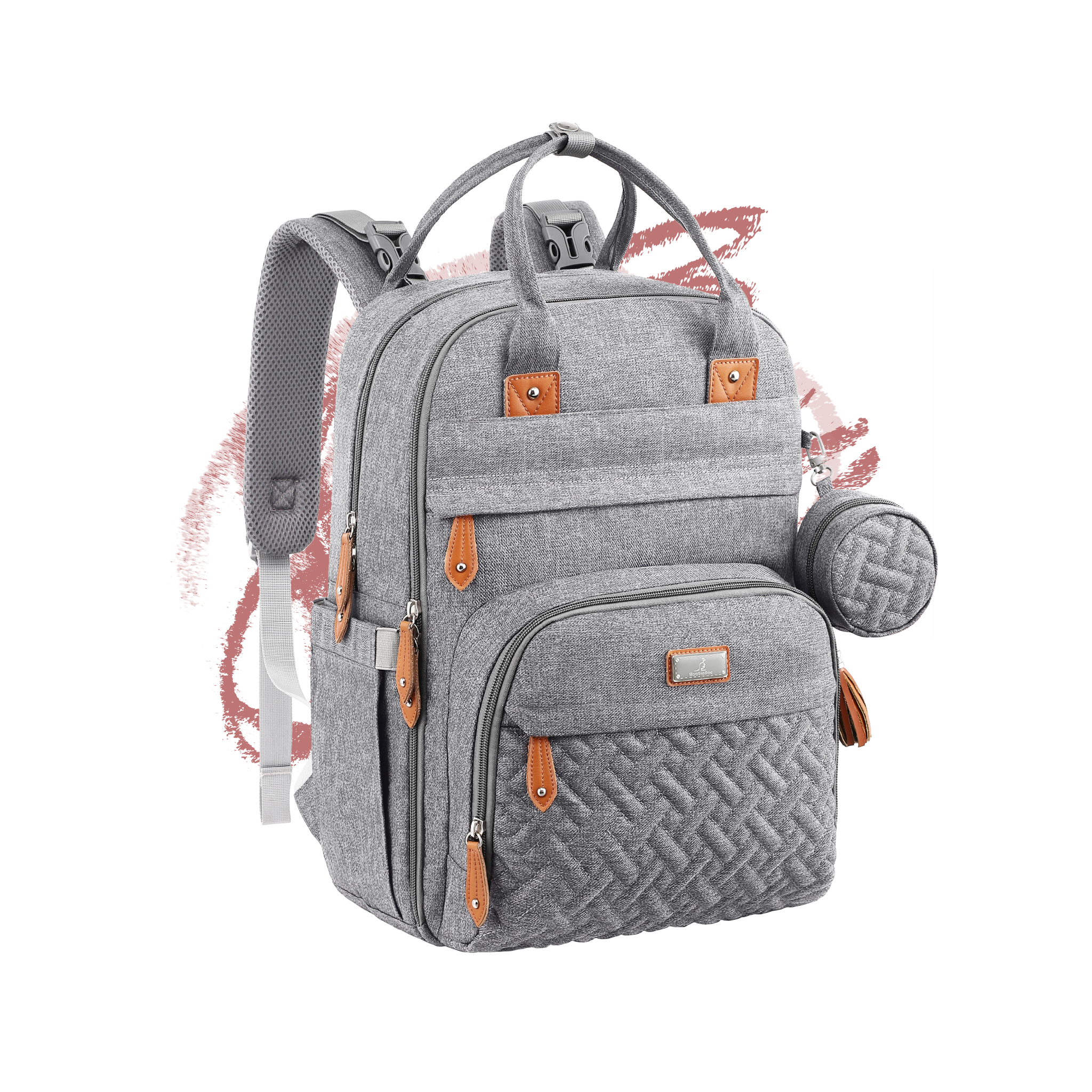
Many parents find that the best front facing baby carriers lead to calmer, more enjoyable outings because babies stay engaged and content for longer periods. Breathable fabrics and lightweight materials make these carriers comfortable even on warm days or during active walks. For added convenience, pairing a baby carrier with a diaper bag backpack keeps essentials organized and hands-free.
Safety Guidelines for Outward Facing Positions
Safety always comes first when using a front facing baby carrier. Babies must have full head and neck control before transitioning to outward-facing positions. The seat should provide a wide, supportive base so the baby’s knees sit higher than their hips in the healthy “M” position. Straps need to be snug but comfortable, with the baby’s back fully supported and airway clearly open at all times.
Regular checks during wear help catch any shifts early. Soft padded edges prevent pressure on legs or shoulders, while breathable mesh panels improve airflow. Many parents use ergonomic baby carrier comparison guides to ensure proper alignment and choose carriers that support healthy posture during longer wears.
How to Transition to Front Facing Smoothly
Most babies show readiness for a front facing baby carrier through steady head control and increased interest in facing outward. Start with short sessions in calm environments to observe their reactions and comfort level. Adjust the carrier panel to provide enough seat width without fabric bunching, and always keep the inward-facing option available for naps or signs of overstimulation.
Gradual increases in time help both baby and parent adapt comfortably. Built-in lumbar support in quality baby carriers reduces strain on the caregiver’s back. Many families begin with baby wrap carriers for the newborn stage before moving to structured front facing baby carriers that offer better outward visibility and support.
Parent Comfort During Long Front Facing Outings
Long walks or busy days put extra load on shoulders and lower backs. A front facing baby carrier with wide padded straps and a firm waist belt shifts most of the weight onto the hips. This keeps the upper body freer and reduces fatigue after an hour or more.
Curved shoulder pieces rest naturally without digging in. The panel stays close so the baby’s center of gravity stays high and balanced. Parents who share carrying duties adjust the same straps in seconds for different body shapes. Soft mesh against the chest prevents heat buildup that can make longer wears uncomfortable.
Many families keep a Grow Carrier ready for these extended outings because the lumbar support and breathable body hold steady through park loops or shopping trips. The design stays light even when the child faces outward and watches everything happening around them. Pairing it with items from the collection of baby carriers or the best baby carrier setup helps maintain comfort across different caregivers.
Storage and Practical Details for Everyday Use
Small pockets and compartments turn a carrier into a handy daily tool. An under-seat pouch holds a phone or keys. Side mesh pockets keep a bottle or snack within easy reach. Magnetic flaps open quickly without fumbling.
These details matter when both hands stay free for the child or for opening doors. A stowable sun hood folds away when not needed and pops up for bright sidewalks. Removable bibs catch drool so the main panel stays cleaner longer.
Families who already rely on a diaper bag backpack or an original diaper bag find the carrier’s built-in storage works as a quick-access layer for the most-used items. Everything stays organized without adding bulk or shifting the balance of the carry. Extra space in an XL original diaper bag or travel diaper bag complements the carrier’s pockets during longer days.
Weather Considerations for Front Facing Carries
Outward facing positions expose more of the baby’s back and legs to sun, wind, or light rain. Mesh panels and lightweight blends move air on warm days so heat does not trap between parent and child. Lightweight fabric dries fast after a sudden sprinkle.
A built-in hood or fold-down cover shields the head during bright midday hours. In cooler weather the same carrier layers under a jacket without feeling stiff. Breathable organic cotton blends stay soft against skin in every season.
Parents who choose models like the Grow+ Carrier notice the ventilated body keeps both of them comfortable whether the day starts cool and turns warm or the opposite. Quick fabric adjustments match the changing conditions without removing the whole setup. Options highlighted in the best breathable baby carrier collection or the best infant carrier range offer similar airflow for active families.
Age and Weight Milestones for Outward Facing
Babies usually reach the strength for outward facing once neck muscles hold the head steady and the trunk sits upright. This stage often lines up with the ability to turn and look at nearby faces or toys. The carrier’s seat width opens wider at this point to keep knees higher than hips.
Weight ranges on quality designs cover the jump from early infancy into the toddler years. The same panel and straps adjust as the child grows heavier so the fit stays secure. Head support folds down once the neck no longer needs it.
Families who start with inward holds and later open the front panel follow a smooth path that matches the child’s own development timeline. A versatile option from the best baby carrier newborn handles both stages without needing a second piece of gear. Guides on understanding baby carriers and how to use a baby carrier show how early styles lead into structured outward facing designs.
How Front Facing Fits Into a Daily Rhythm
Morning walks often start inward facing. The baby is still sleepy. After breakfast, many little ones want to look out. That is when the panel opens and the outward facing baby carrier position comes in.
Errands feel different from park loops. Grocery lines give a lot of faces and noise. A quiet trail gives trees and birds. Switch back to inward facing if the baby arches, turns away, or starts to fuss. Naps almost always happen facing in.
A few simple habits keep the day smooth:
-
Start outward facing after a feed, not right before one
-
Keep the first outward session short
-
Watch the chin stay off the chest
-
Use the same seat from the all carriers range for both positions so the straps already fit
Early months often begin with a wrap from the best baby wrap group or notes in the guide on how to use a baby carrier. A later structured seat from the best baby carrier newborn set covers the outward stage. Families who pack the best diaper bag backpack treat the carrier as the close-range layer and the bag as the backup layer.
Signs the Baby Has Had Enough Outward Time
Facing out is exciting. There is also a lot of input. Overstimulation shows up in small ways before a full cry.
Common signs:
-
Turning the head into your chest
-
Rubbing eyes or ears
-
Arching the back
-
Sudden quiet after a burst of babble
-
Tight fists or stiff legs
Flip the panel inward when those signs appear. A few minutes of chest-to-chest contact often resets the mood. Mesh on the breathable baby carrier still moves air when the baby faces in. The same idea shows up in the best breathable baby carrier collection and in the best infant carrier seats.
Close contact after a busy stretch matches what families describe in how a baby carrier can help new moms and dads. A ventilated Grow+ Carrier keeps that inward reset cooler on a warm afternoon.
Cleaning Drool, Spit-Up, and Everyday Dust
Front facing puts the baby’s chin near the top of the panel. Drool lands there first. Removable bibs and teething pads catch most of it.
A simple care loop:
-
Unclip bibs and pads after each outing
-
Wipe the waist belt and buckle with a damp cloth
-
Spot clean mesh with mild soap
-
Air dry the panel fully before the next wear
-
Machine wash only when the care tag allows it
Dry wipes handle quick panel spots. A portable changing mat gives a clean surface if the carrier comes off outdoors. An original diaper bag or travel diaper bag holds the spare bib. Extra pads live with other accessories. The same wipe-and-dry habit used in a guide to maintaining a diaper backpack works on carrier mesh too.
Pairing a Front Facing Carrier With Travel Gear
Airports and long sidewalks ask for more than one tool. A HopLite travel stroller handles the stretch when the baby wants to sit. The carrier handles the stretch when wheels are folded.
The On The Go Bundle puts a carrier and a compact stroller in the same kit. The Jet Set Bundle and the Roll & Reach Bundle follow the same idea for families who pack wheels plus a bag. A toddler carrier for travel setup matters once the child is heavier and wants to see over crowds.
Pack order that works:
-
Carrier on the body through security lines
-
Stroller open for long concourses from the strollers group
-
A bag from the best diaper bag for travel set on the handles
-
Carrier back on for boarding or cobblestones
Notes in a guide on a family road trip and surviving long flights with a baby show why the carrier and the bag share the day instead of one tool doing every job.
Best Front Facing Baby Carrier in 2026
We compared many options based on comfort, safety, and user feedback to bring you this list. Babbleroo leads with standout design, followed by well-known competitors.
1. Babbleroo - Best Front Facing Baby Carrier in 2026
Grow+ Carrier

Description (Grow+ Carrier):
Crafted for Comfort. Designed to Grow With You.
The Grow+ Carrier is a versatile, all-in-one baby carrier designed to grow with your child from newborn to toddler years (7–50 lbs). It offers secure, comfortable carrying for both parent and baby throughout every stage.
Why Parents Love It:
-
Grows With Them (7–50 lbs): From newborn snuggles to active toddler years
-
Safe by Design: Dual-Lock system with reinforced zipper plus safety buckle to keep the seat and panel securely connected
-
Cooler, Extended Comfort: Organic cotton-plus-mesh body and ventilated panel keep airflow moving so neither of you overheats
-
Smarter Storage: Under-seat compartment, expandable bottle pocket, and magnetic quick-access pouch for your phone and keys
-
Extra-Padded Curved Straps: Wide waist belt and curved straps shift weight to your hips, reducing shoulder strain
-
Removable Bib & Teething Pads: Easily detachable for quick washing - perfect for handling spit-up and drool
Made from:
-
Premium Organic Cotton + Mesh (breathable and ultra-gentle on baby’s skin)
Ready to carry with confidence and comfort?
Add the Grow+ Carrier to your cart today and enjoy every moment with your little one.
Grow Carrier

Description (Grow Carrier):
Crafted for Comfort. Designed for Adventure.
Experience every cuddle, every stroll, and every giggle hands-free with the BabbleRoo Grow Carrier - thoughtfully designed to grow with your child from 3 to 24 months (7–50 lbs). Whether you’re running errands or exploring the outdoors, our carrier offers 6 ergonomic carrying positions to keep your baby secure and close, while giving your back and shoulders the support they need.
Why Parents Love It:
-
6-in-1 Carrying Options - From newborn snuggles to toddler piggybacks
-
Ergonomic Hip-Healthy Design - Promotes proper hip development
-
Ultimate Comfort for You - With padded shoulder straps, lumbar support, and breathable fabric
-
Adjustable Fit - One-size-fits-most (XS to XL)
-
Practical Details - Head support, padded leg openings, and a smart wrap with 3 convenient pockets
-
Machine Washable - Because life with little ones gets messy
Made from:
- 87% Polyester
- 13% Spandex (for that perfect stretch)
Need help using it?
Carry Closer. Bond Stronger.
With the BabbleRoo Carrier, every moment is a chance to connect effortlessly, comfortably, and confidently.
Discover the best front facing baby carrier - BabbleRoo
The On The Go Bundle

Description: (The On The Go Bundle):
Benefits
-
The full mobility toolkit - everything from newborn days through toddler years, all in one package
-
HopLite Travel Stroller: featherlight at 12.3 lbs, newborn-safe, folds in 2 seconds, TSA approved
-
Grow+ Carrier: 6-in-1 ergonomic design supporting 7–50 lbs with hip seat and built-in lumbar support
-
Original Diaper Bag: 19 smart pockets and water-resistant exterior - the organized companion for every outing
Bundles Include
-
HopLite Travel Stroller: Built for the smallest explorers. Newborn-approved and parent-friendly so every trip feels effortless and secure.
-
Grow+ Carrier: Keep baby close while staying hands-free. Soft, supportive, and comfortable for both of you.
-
The Original Diaper Bag: Roomy, functional, and polished - your go-to bag for keeping essentials sorted and adventures ready.
The Best of Both Bundle

Description: (The Best of Both Bundle):
Benefits
-
Two carry options, one seamless day - the full mobility kit ready for every stage
-
Grow+ Carrier: 6-in-1 ergonomic design in organic cotton, supports 7–50 lbs for cozy, hands-free closeness
-
HopLite Travel Stroller: only 12.3 lbs, newborn-safe, 2-second fold, TSA approved when baby needs room to stretch
-
Swap between carrier and stroller in seconds so you’re prepared for whatever the day brings
Bundles Include
-
Grow+ Carrier: Elevated carrying made simple. Soft organic cotton, dual-lock security, plus under-seat storage built for parents who pack it all.
-
HopLite Travel Stroller: Created for the smallest explorers. Newborn-approved and parent-friendly so every outing stays easy and worry-free.
The Carry It All Bundle

Description: (The Carry It All Bundle):
Benefits
-
Stay completely hands-free and organized - keep baby close while every essential stays right within reach
-
Grow+ Carrier: 6-in-1 design, ergonomic Hip Seat, organic cotton, under-seat storage, supports 7–50 lbs
-
The Flo Tote: 14 internal pockets, water-repellent shell, structured base - the capable companion bag that carries the load
-
Quick trips: carrier + under-seat pouch. All-day adventures: carrier + Flo Tote. Ready for either
Bundles Include
-
Grow+ Carrier: Advanced everyday carry. Soft organic cotton, dual-lock safety system, and convenient under-seat storage built for parents who pack it all
-
The Flo Tote: Soft yet structured and fully organized. The tote that takes on the heavy lifting without adding bulk
2. Omni Breeze - Ergobaby

Ergobaby's Omni Breeze carrier prioritizes airflow with its full-mesh construction, ideal for parents in warmer climates or during active use. It supports babies from newborn to toddler stages without needing an insert, adjusting to weights between 7 and 45 pounds. The design allows for four positions, including front outward facing for curious infants around 5-6 months with good head control. Padded straps and a lumbar support belt help distribute weight, making it comfortable for longer wears, though some users note it feels bulky when packed.
The carrier folds compactly for travel and includes a detachable pouch for small items. Machine-washable materials dry quickly, adding convenience. While versatile for different body types with adjustable fits, taller parents might find the straps a bit short in crossed mode. Headquartered in Hawaii, United States, Ergobaby focuses on ergonomic innovation, earning recognition from the International Hip Dysplasia Institute for proper positioning. Overall, it excels in breathability but can retain heat in extreme conditions compared to lighter fabrics. Families appreciate its durability through multiple children, though beginners may need practice with adjustments.
-
Key features: Breathable SoftFlex mesh, adjustable bucket seat, UPF 50+ hood, crossed strap option.
-
Facts and information: Fits waists 25-55 inches, certified hip-healthy, used from 0-48 months.
3. Complete 6-in-1 All Seasons - Lillébaby

Lillébaby's Complete 6-in-1 All Seasons adapts to various environments with its zip-down panel revealing mesh for ventilation or zipping up for warmth, suiting year-round use. It accommodates babies from 7 to 45 pounds in six positions, including fetal for newborns without an insert. The adjustable seat switches between narrow for infants and wide for toddlers, promoting hip health.
Padded straps and lumbar support enhance comfort for extended periods, but the bulkier build can feel heavy when folded. A large zippered pocket stores essentials, and the carrier is machine-washable. Some find the initial setup complex due to multiple adjustments, leading to a learning curve. Based in Colorado, United States, Lillébaby emphasizes inclusive designs for diverse body types. It meets safety standards and is favored for its temperature control, though the fabric may pill over time with frequent washing. Parents value its sturdiness for daily activities, but it might overwhelm beginners compared to simpler models.
-
Key features: Temperature-regulating zip panel, ergonomic convertible seat, removable hood, dual-strap styles.
-
Facts and information: Waistband up to 52 inches, acknowledged hip-healthy, supports 0-36 months.
4. Explore - Baby Tula

Baby Tula's Explore offers stylish patterns and breathable mesh options, supporting babies from 7 to 45 pounds in three positions without an infant insert. It allows front outward facing from around 13 pounds, ideal for interactive outings. The adjustable panel grows with the child, ensuring an M-shaped seat for hip development. Padded straps provide cushioning, but limited adjustability may not suit very tall wearers well. A pocket adds utility, and the carrier is machine-washable. Some report it feels less supportive for prolonged use compared to bulkier models. Headquartered in California, United States, Baby Tula combines fashion with function, certified hip-healthy. Its aesthetic appeal draws style-conscious users, though the seat might sag slightly with heavier toddlers. Families enjoy its lightweight feel for shorter trips, but it could improve in versatility for all climates.
-
Key features: Adjustable neck support, no-insert needed, vibrant designs, three carry positions.
-
Facts and information: Fits waists 27-57 inches, promotes healthy posture, used 0-48 months.
5. Harmony - BabyBjörn

BabyBjörn's Harmony uses soft 3D mesh for lightness and quick drying, folding compactly for portability. It supports four positions from 7 to 40 pounds, with adjustable head support for newborns. Intuitive buckles make it user-friendly, but less padding can lead to fatigue on long wears. The design includes a zip for leg positioning, ensuring airways remain clear. Some find it less versatile for larger toddlers due to the weight limit. From Stockholm, Sweden, BabyBjörn has decades in minimalist baby products, complying with global safety norms. Its simplicity appeals to urban parents, though the fit might be snug for plus-sized wearers. Overall, it suits quick trips well but may need supplements for extended use.
-
Key features: Adjustable height positions, easy-clean materials, padded back support.
-
Facts and information: Waist up to 47 inches, hip-healthy certified, 0-36 months.
6. Aerial Carrier - Wildbird

Wildbird’s Aerial Carrier masterfully combines the cozy embrace of a traditional wrap with the convenience of buckles, creating a versatile hybrid that feels intuitive for daily wear. Crafted with breathable linen and soft modal fabrics, it delivers excellent airflow and gentle support ideal for sensitive skin and extended cuddles. The carrier accommodates front inward and back carries for babies from 7 to 45 pounds, featuring padded shoulder straps and a supportive lumbar belt that effectively distributes weight to reduce fatigue.
Thoughtful details like adjustable rings, a built-in hood that doubles as a pocket, and flexible sizing options make it easy to achieve a custom, secure fit across different body types. While it may require some initial practice to master the setup, the result is a secure, ergonomic hold that promotes natural bonding and skin-to-skin contact. Based in Utah, Wildbird prioritizes natural materials and community-driven design, making the Aerial a favorite among parents seeking comfort without compromising on style or functionality for everyday adventures.
-
Key features: Adjustable rings, soft modal fabric, nursing-friendly.
-
Facts and information: Two sizes for XS-4XL, promotes skin-to-skin, 2-24 months recommended.
7. Zeitgeist - Artipoppe

Artipoppe’s Zeitgeist elevates babywearing into a fashion statement while delivering solid ergonomic support for growing families. Made from luxurious linen blends and premium jacquard weaves, this carrier offers a structured yet breathable panel that ensures firm, comfortable positioning for babies from 7 to 44 pounds across three versatile carry positions. Adjustable straps and thoughtful sizing cater to newborns through toddlers, helping maintain healthy hip alignment and posture for both wearer and child. Side buckles simplify fastening, and the elegant patterns turn heads during outings.
Though its higher weight and cross-strap design may not suit every body type or intense hiking sessions, the Zeitgeist shines for urban parents who value aesthetics alongside performance. Handcrafted in Europe with sustainable materials, this carrier from Amsterdam-based Artipoppe appeals to those who see babywearing as both practical and expressive, offering a refined experience that feels special for daily use or special occasions.
-
Key features: Jacquard weave, adjustable straps, breathable lining.
-
Facts and information: Fits 7-44 pounds, handcrafted in Europe, 0-24 months.
8. Wrap Carrier - Boba

Boba’s classic Wrap Carrier creates an intimate, hug-like experience that many parents describe as second only to holding their baby directly. Its stretchy cotton-spandex blend molds beautifully to both parent and child, providing even weight distribution that supports bonding and calms fussy newborns during front carries from 7 to 35 pounds. The one-size-fits-most design with a helpful center marker makes wrapping straightforward once practiced, while the soft fabric feels gentle against delicate skin.
Machine-washable and quick-drying, it offers real practicality for busy days. Headquartered in Colorado, Boba champions natural parenting approaches, resulting in a simple, no-frills carrier that excels in early months. Though it retains some heat in warmer weather and requires learning the tying technique, its ability to create a secure, custom fit helps soothe babies and encourages closeness. It remains a go-to choice for parents prioritizing softness and affordability over complex buckles or multiple positions.
-
Key features: Stretchy fabric, center marker, one-size-fits-most.
-
Facts and information: Certified hip-healthy, calms fussy babies, 0-18 months.
9. Onbuhimo - Happy Baby

Happy Baby’s Onbuhimo brings a refreshing minimalist approach inspired by Japanese traditions, excelling in high back carries that let toddlers enjoy expansive views of the world. The waistless design with lightweight, absorbent linen keeps things breathable and compact, making it surprisingly easy to throw in a diaper bag for spontaneous outings. Padded straps and reinforced seams provide reliable comfort for babies from 7 to 45 pounds, while side snaps enable quick newborn front carries when needed.
A hidden pocket adds welcome utility without bulk. Based in the United States, Happy Baby focuses on ethical production and chic aesthetics that appeal to style-conscious families. Although the lack of a waist belt shifts more weight to the shoulders - requiring some adjustment period for longer wears - the Onbuhimo rewards users with freedom of movement and cultural authenticity. It suits active parents and curious toddlers particularly well, offering versatility in a sleek, understated package.
-
Key features: High-back design, reinforced seams, compact storage.
-
Facts and information: Absorbent linen, cultural authenticity, 0-36 months.
10. V2 Buckle - Beluga Baby

Beluga Baby’s V2 Buckle Carrier prioritizes ergonomic comfort and simplicity with thoughtfully curved shoulder straps that reduce pressure points during extended use. The hemp and organic cotton blend delivers natural breathability and softness that improves with each wash, paired with a padded waistband that effectively eases lower back strain for parents. Supporting front and back carries from 7 to 50 pounds, it offers generous adjustability for a wide range of ages and body types up to 48 months.
Quick buckle closures make it ideal for busy routines where speed matters, while the sustainable materials reflect the brand’s eco-conscious ethos from its Vancouver, Canada base. Though color options remain limited and very petite frames may need minor tweaks, users consistently praise the weightless feel and supportive structure. The V2 strikes an excellent balance of modern convenience and natural comfort, making it a dependable everyday companion for parents seeking reliability without excess features.
-
Key features: Curved shoulder straps, buckle closures, soft lining.
-
Facts and information: Sustainable fabrics, 0-48 months, made in Canada.
11. Light - Lenny Lamb

Lenny Lamb’s Light Carrier proves that less can truly be more, offering a compact, airy design perfect for warm-weather adventures and on-the-go parents. Weighing in lightly at 220 gsm, the soft woven fabric provides excellent breathability while padded straps deliver balanced support without unnecessary bulk. The magnetic chest belt and minimal adjustments allow for surprisingly quick setup across multiple positions for babies from newborn to 36 months (up to 44 pounds).
Vibrant patterns add personality, and the entire carrier tucks neatly away when not in use. From Poland, Lenny Lamb brings expertise in woven fabrics to create a versatile option that fits diverse body types comfortably. While heavier babies may benefit from more structure and beginners might prefer even more intuitive fastening, the Light earns praise for its soft hand-feel and suitability in warmer climates. It serves as an ideal choice for parents wanting flexibility and lightness in a beautifully crafted package.
-
Key features: Magnetic belt, adjustable ties, vibrant designs.
-
Facts and information: Lightweight at 220 gsm, hip-healthy, 0-36 months.
12. Joie Savvy Lite Baby Carrier

Joie, headquartered in the United Kingdom with strong US distribution, presents the Savvy Lite as a lightweight 3-in-1 structured carrier optimized for parents seeking simplicity and effective front outward-facing options during toddler exploration phases. Its breathable mesh panels and minimal padding deliver a streamlined profile suitable for daily errands or warmer outings, with magnetic buckles facilitating quick adjustments as babies develop head and trunk control.
The design supports transitions from newborn inward-facing to world-facing positions around 6 months, maintaining an ergonomic seat shape for hip positioning. While the compact build enhances portability and ease of storage, the reduced padding may require more frequent micro-adjustments during extended wears compared to fuller-featured models. The carrier performs reliably on flat surfaces and moderate activity, with machine-washable fabrics simplifying maintenance after everyday use. Parents in urban or travel settings appreciate its low weight and straightforward setup for spontaneous adventures.
-
Weight: approximately 1.5 pounds; supports 8–33 pounds (newborn with insert to toddler).
-
3 carry positions: inward-facing (newborn/toddler), outward-facing (from ~6 months), and hip.
-
Padded shoulder straps with lumbar support panel.
-
Magnetic AutoClick buckles for one-handed fastening.
-
Breathable mesh fabric with UPF protection elements.
-
Suitable for users with waist sizes 25–55 inches; machine washable.
13. Beco Gemini Baby Carrier

Beco Baby, a US-based brand focused on ergonomic designs, offers the Gemini as a versatile 4-position soft-structured carrier that balances comfort and adaptability for babies from newborn through toddler stages. The soft fabric construction with adjustable panels allows seamless switches to front outward-facing once head control is established, while the padded waistband and shoulder straps distribute weight evenly across the caregiver’s body. A built-in infant insert option extends usability from early days without additional purchases in some configurations.
The carrier folds compactly for on-the-go storage, and its materials handle frequent washing well. Some users note the need for precise adjustments to achieve optimal tightness in outward positions, particularly as weight increases. Overall, it serves active families well with reliable support for mixed daily routines and occasional longer outings.
-
Supports 7–35+ pounds across positions; newborn insert available.
-
4 carry positions including front inward, front outward, hip, and back.
-
Adjustable seat width and height for growing babies.
-
Padded lumbar support and crossable shoulder straps.
-
Soft, breathable cotton or mesh fabric options.
-
Machine washable; promotes ergonomic M-position seating.
14. MOBY Duet Carrier

MOBY, headquartered in California, USA, delivers the Duet as a hybrid wrap-style structured carrier designed for effortless front outward-facing exploration while retaining the soft hug of traditional wraps. Its stretchy, breathable cotton-spandex blend conforms comfortably to both caregiver and baby, supporting three adjustable seat widths for proper hip development from early months into toddlerhood.
The pre-configured buckle elements reduce wrapping time compared to full wraps, making it practical for quick outings. Ventilation features help manage temperature during active use, though the fabric may require careful handling to maintain shape over time. This model appeals to parents transitioning from wraps who desire structured support with forward-facing flexibility for curious babies around 5-6 months with solid neck control.
-
3 carry positions: inward narrow/wide and forward-facing.
-
Weight range approximately 8–33 pounds.
-
Customizable seat panel for ergonomic fit.
-
Soft, stretchy 100% cotton or blended fabric.
-
Integrated support for head and legs in outward mode.
-
Machine washable; suitable for various body types.
15. Nuna CUDL Baby Carrier

Nuna, based in the Netherlands with prominent US availability, introduces the CUDL as a premium soft-structured carrier emphasizing luxurious materials and intuitive adjustments for front-facing carries. Its velcro waist and shoulder systems enable fast fitting for multiple caregivers, while the structured panel maintains supportive outward-facing positioning for babies with developed head control.
Soft fabrics and thoughtful padding promote extended comfort, complemented by a compact fold for travel. The design prioritizes ease during daily transitions, though the bulk in certain configurations may influence storage preferences. Independent testing and user data highlight its reliability for bonding and exploration phases, with features that align well with modern parenting needs for versatility and style.
-
Supports 7–40 pounds from newborn (with insert) to toddler.
-
Multiple positions including front inward and outward-facing.
-
Velcro adjustments for quick shared use.
-
Premium soft fabrics with breathable elements.
-
Padded straps and supportive seat structure.
-
Compact when folded; machine washable components.
16. Flip Advanced 4-in-1 - Infantino

Infantino’s Flip Advanced 4-in-1 Carrier delivers practical versatility for parents seeking an accessible structured option that supports front outward-facing carries once babies develop sufficient head control. Designed for infants and toddlers from roughly 8 to 32 pounds, it converts easily between inward-facing infant and wide seats, outward-facing front carry, and backpack mode. The ergonomic seat adjusts to encourage proper hip positioning while padded shoulder straps and a supportive waist belt help distribute weight during everyday use. An adjustable headrest provides extra security for younger babies, and the included 2-in-1 bib protects both clothing and carrier fabric from drool. Machine-washable materials simplify cleaning after frequent outings. Headquartered in the United States, Infantino focuses on functional designs that grow with the child through multiple stages without requiring separate inserts for most configurations. The carrier’s straightforward adjustments make it suitable for shared use among caregivers of varying sizes, offering reliable support for errands, walks, and short adventures.
-
Key features: Adjustable ergonomic seat width, padded shoulder straps, supportive waist belt, convertible head support, 2-in-1 protective bib.
-
Facts and information: Supports 8–32 pounds across four positions; suitable from newborn to approximately 3 years; machine washable; promotes M-position seating.
17. Cradle Me Lite 3-in-1 - Graco

Graco’s Cradle Me Lite 3-in-1 Baby Carrier emphasizes ease of use with magnetic SecureConnect buckles that guide and latch securely for quick on-and-off transitions. It accommodates babies from 8 to 30 pounds across three modes: an integrated newborn seat (no insert required), facing-in baby seat, and outward-facing front position once head control is established around six months. Breathable mesh panels help maintain airflow, while adjustable head support and a removable hood offer sun protection or privacy during rest. Padded lumbar support and X-style shoulder straps distribute weight effectively for the wearer. Certified hip-healthy by the International Hip Dysplasia Institute, the design prioritizes proper positioning throughout stages. Based in the United States with widespread retail availability, Graco incorporates OEKO-TEX certified materials tested for harmful substances. The lightweight construction and straightforward adjustments appeal to parents managing daily routines and moderate activity levels.
-
Key features: Magnetic SecureConnect buckles, integrated newborn seat, breathable mesh panel, adjustable head support and hood, padded lumbar support.
-
Facts and information: Weight range 8–30 pounds; three carry modes including outward-facing from approximately 6 months; IHDI hip-healthy certified; OEKO-TEX Standard 100 materials.
18. Hip Carrier - Tushbaby

Tushbaby’s Hip Carrier offers a streamlined hip-seat approach ideal for frequent up-and-down carrying and front outward-facing exploration with toddlers who have solid head control. The firm, memory-foam seat with anti-slip surface supports babies from about 8 to 45 pounds in face-to-face, side, forward-facing, and feeding positions, encouraging an M-shaped hip posture. A structured waistband with built-in lumbar support shifts weight to the hips, reducing upper-body strain during short-to-moderate wears. Multiple storage pockets hold essentials like wipes or snacks, enhancing convenience for errands or travel. The compact, lightweight design (under one pound) attaches quickly with adjustable closures and fits a wide range of waist sizes. Based in the United States, Tushbaby emphasizes practical, portable solutions for active families. Optional attachments expand hands-free options for older infants, making the carrier adaptable for growing independence while maintaining ergonomic alignment.
-
Key features: Memory-foam anti-slip seat, built-in lumbar support, multiple storage pockets, adjustable waistband, four primary carry positions.
-
Facts and information: Supports approximately 8–45 pounds; waist fit roughly 23–44 inches (extendable); promotes hip-healthy M-position; weighs under 1 pound.
19. Lark Baby Carrier - hope&plum

hope&plum’s Lark Baby Carrier combines natural-fiber construction with size-inclusive sizing for front and back carries that support growing babies from around 10 to 45 pounds. Sewn in Minnesota from breathable hemp-organic cotton or linen-organic cotton blends, the apron-style waist and uniquely shaped cross-back straps distribute weight across the upper body without bulky foam padding. The adjustable seat maintains an ergonomic M-position from knee to knee as the child grows, with a structured panel offering natural head support during rest. Available in short and long lengths covering XXS to 6X body sizes, it prioritizes comfort for diverse caregivers. Machine-washable and lightweight, the carrier packs compactly for travel. Founded in the United States by parents seeking better everyday options, hope&plum focuses on ethical local production and long-term usability through toddler years.
-
Key features: Natural fiber blends (hemp/cotton or linen/cotton), apron-style waist, cross-back straps, adjustable hip-healthy seat, size-inclusive short/long options.
-
Facts and information: Weight range 10–45 pounds (from approximately 3 months); front and back carry; sewn in Minnesota, USA; CPSC safety tested.
20. Scout - Sakura Bloom

Sakura Bloom’s Scout Carrier delivers a minimalist, apron-style design crafted from premium natural textiles for front inward and back carries spanning 7 to 45 pounds. Hand-cut and sewn in the brand’s California workshop, it features an adjustable panel that cinches for newborns and expands for toddlers, ensuring knee-to-knee support in an ergonomic position. The continuous fabric waistbelt allows custom high or low placement, while lightly padded straps and a removable sleep/sun hood enhance daily comfort. Soft, thermo-regulating fabrics mold gently without synthetic bulk, making the carrier compact and low-profile for packing. Certified hip-healthy and tested to U.S. safety standards, it suits a broad range of body types including during pregnancy. Based in San Diego, California, Sakura Bloom emphasizes local craftsmanship and refined aesthetics for parents who value understated elegance alongside function.
-
Key features: Adjustable cinch panel, apron-style continuous waistbelt, removable hood, natural fiber textiles, minimal hardware.
-
Facts and information: Supports 7–45 pounds from newborn to toddler; front and back carry; made in California, USA; IHDI hip-healthy certified; lab-tested to ASTM and CPSIA standards.
21. SideKick Hip Seat - Chicco

Chicco’s SideKick Hip Seat Carrier provides a versatile 3-in-1 system combining a rigid base with a soft backrest for front, hip, and outward-facing options as babies gain head control. Suitable from early months through approximately 33 pounds (up to 15 kg), the non-slip seat base supports natural sitting posture while the structured waistbelt with lumbar support distributes weight and fits waists from 23 to 46 inches. When used together, the components enable parent-facing or world-facing carries; the base alone serves as an extended hip rest for quick holds, and the backrest functions independently as a traditional soft carrier. Padded straps and a zippered pocket add practicality for everyday use. Headquartered in Italy with strong U.S. distribution, Chicco designs for multi-stage adaptability and parental posture support during frequent transitions.
-
Key features: Detachable rigid hip-seat base, soft backrest panel, non-slip seat surface, structured waistbelt with lumbar support, zippered convenience pocket.
-
Facts and information: Supports up to approximately 33 pounds; multiple configurations including outward-facing; waist range 23–46 inches; promotes natural sitting posture.
22. The Baby Carrier 2 - Colugo

Colugo’s The Baby Carrier 2 is a compact, travel-minded soft-structured carrier created for parents who want front inward, front outward, and back carrying in one lightweight package. The updated version adds one-touch magnetic buckles and an attached front pouch so a caregiver can load a child, clip in, and reach a phone or keys without a separate bag. Front outward facing is intended once the baby has reliable head and neck control and typically weighs around 12 pounds, giving curious infants a clear view while the panel and seat still encourage an M-shaped hip position. Breathable air-mesh against the wearer’s back and a UPF 50+ sunshade help manage heat and sun on sidewalks, parks, and airport days. Seat width and panel height adjust as the child grows, and structured head support can be used when a younger baby still needs extra stability. The whole carrier weighs about a pound and a half and rolls small enough to drop into a stroller basket or diaper bag. Colugo is a United States brand focused on streamlined, shared-use gear that different caregivers can tighten quickly. Machine-washable fabrics, a hidden pocket for a spare onesie or wipes, and JPMA plus ASTM testing round out a design aimed at daily errands rather than heavy trail loads.
-
Key features: One-touch magnetic buckles, attached fanny-style front pouch, air-mesh backing, UPF 50+ sunshade, adjustable seat width and panel height, structured head support, compact roll-up profile.
-
Facts and information: Supports approximately 7–33 pounds; front outward from about 12 pounds with established head control; waist range roughly 28–53 inches; carrier weight about 1.5 pounds; acknowledged hip-healthy by the International Hip Dysplasia Institute; JPMA certified and tested to U.S. ASTM standards.
23. Tactical Baby Carrier - Tactical Baby Gear

Tactical Baby Gear’s Tactical Baby Carrier is a utility-first front carrier built around crossed padded straps, a wide thigh-supporting base, and modular storage instead of fashion prints. The same panel works parent-facing for younger babies and world-facing after about six months, when full head control is present: a front flap folds down and rebuckles so the child’s view opens without swapping gear. MOLLE webbing and a hook-and-loop patch field let parents clip a pacifier, small pouch, or carabiner directly to the carrier. A removable cotton liner cushions the interior, a stowed sunshade covers inward carries, and a machine-washable bib protects the panel during outward facing. Hardware sits toward the front so one adult can don and adjust the carrier independently. The outer shell uses durable tactical-style fabric while the liner comes off for washing. Folded, it packs into a daypack or stroller compartment. The United States brand targets active and first-responder families who want rugged materials and accessory compatibility. The carrier is acknowledged as hip-healthy by the International Hip Dysplasia Institute and is tested to ASTM F2236 and CPSIA requirements, with a listed range from early infancy through the lower toddler weights.
-
Key features: Flip-down outward-facing flap, crossed padded straps, MOLLE webbing, hook-and-loop patch panel, removable cotton liner, included sunshade and spit-up bib, locking front buckles.
-
Facts and information: Weight range 8–33 pounds; outward facing recommended from about 6 months with full head and neck control; carrier weight about 1.8 pounds; IHDI hip-healthy acknowledgment; meets ASTM F2236 and CPSIA.
24. 2-in-1 Hip Seat Carrier - Momcozy

Momcozy’s 2-in-1 Hip Seat Carrier pairs a firm hip platform with a detachable soft back panel so families can move between brief hip holds and fuller structured carries. Modes typically include an early cradle-style hold, parent-facing, world-facing, hip, and back as the child gains trunk control. The wide seat is shaped to keep knees above the hips during forward-facing exploration, which most families introduce after about five to six months when the neck is steady. An X-shaped strap layout and EVA lumbar padding spread weight across the wearer’s torso, while 3D abdominal support is marketed as extra structure for longer wears. Storage pockets hold wipes, a snack, or a phone during errands. The system is sold widely in the United States as a single unit that covers both “up-and-down” toddler days and hands-free walks. Fabrics are machine washable, and the line is presented as ASTM F2236 compliant with M-position seating consistent with International Hip Dysplasia Institute guidance used across Momcozy carriers. It is aimed at parents who want a hip seat and a carrier without buying two separate products, especially once babies want to look outward on short neighborhood outings.
-
Key features: Detachable hip-seat base plus soft panel, X-back strap design, EVA lumbar support, guided M-seat, multiple storage pockets, 3D abdominal support.
-
Facts and information: Supports up to about 44 pounds across modes; outward and hip carries generally from around 5 months with developmental readiness; ASTM F2236 compliant; hip-healthy M-positioning claimed across the Momcozy carrier line.
25. Boba X - Boba

Boba’s Boba X takes the brand’s wrap-inspired closeness and rebuilds it as a buckle carrier with a seat that widens as the child grows. Parents can keep a snug inward hold in the early months, then open the panel for front outward facing once head control is solid, while still aiming for knee-to-knee support. Padded shoulder straps and a substantial waistband shift load toward the hips during longer neighborhood walks. The construction stays relatively simple: fewer extra attachments than some 6-in-1 carriers, with an emphasis on a close, hug-like panel and washable fabric. Boba is headquartered in Colorado, United States, and has a long history in stretchy wraps; the X model is the structured counterpart for families who want faster on-and-off than a full wrap but still want that wrapped feel. It is intended as a daily carrier from infancy into toddlerhood rather than a hiking frame. Care is straightforward machine washing, and the brand’s broader catalog is widely associated with hip-healthy positioning language used throughout its wrap and buckle products.
-
Key features: Adjustable growing seat, padded waist and shoulder straps, front inward and outward positions, close wrap-inspired panel, machine-washable fabric.
-
Facts and information: Structured use typically from early infancy into the mid-30-pound range depending on configuration and baby length; Colorado-based brand; hip-healthy design language consistent with Boba’s certified wrap products.
26. Poco Soft Child Carrier - Osprey

Osprey’s Poco Soft Child Carrier applies the company’s pack-harness thinking to a frameless soft carrier that can be worn on the front facing in or out and on the back as the child gets heavier. A button-adjustable seat is meant to keep the thighs supported and the hips in a healthy bent position whether the baby is watching the parent or looking at the trail ahead. Cushioned shoulder straps and a supportive hip belt help during mixed days that start as a stroller-free errand and turn into a longer walk. Ventilation and outdoor-grade fabrics reflect Osprey’s hiking background, while the lack of a rigid frame keeps packed size more manageable than a full child-carrying backpack. Front outward use is for babies who already have strong head control. Osprey is based in Colorado, United States, and the Poco Soft sits beside the brand’s framed Poco packs as the option for parents who want front-facing flexibility without committing to a large trail frame. It is positioned for all-day comfort on moderate activity rather than overnight expedition loads.
-
Key features: Front-in, front-out, and backpack modes; button-adjustable seat; padded hip belt and shoulder harness; outdoor-oriented fabrics; frameless packable build.
-
Facts and information: Soft-sided Poco line intended for mixed front and back carry; Colorado headquarters; designed for moderate outdoor and everyday use rather than framed overnight child-carrier loads.
27. Solar Baby Carrier - Integra Baby

Integra’s Solar Baby Carrier is a slimmer European-designed buckle carrier sold in the United States for parents who want less padding bulk and a straightforward path from inward snuggles to front outward facing. Lightweight fabric and a relatively simple strap map make it easier to pack for travel than many heavily cushioned all-season models. The panel and seat adjust so a growing baby can sit with knees raised in both parent-facing and world-facing front carries, with back carry available on typical configurations once the child is developmentally ready. Integra focuses on a close, low-profile hold that still distributes weight through a waistbelt and padded straps. The carrier is distributed through U.S. specialty and online baby retailers and is aimed at urban walks, indoor wear, and trips where a large structured carrier feels like too much kit. Materials are washable, and the overall layout follows familiar soft-structured conventions so a second caregiver can learn the buckles without a long tutorial.
-
Key features: Compact packable build, adjustable front panel, front inward and outward positions, low-profile padded straps, waist support, machine-washable materials.
-
Facts and information: Commonly listed from newborn inward carry through toddler outward and back carry; available through U.S. specialty retail; designed as a lighter alternative to bulkier multi-position structured carriers.
28. You+Me 4-in-1 Ergonomic Baby Carrier - You+Me

You+Me’s 4-in-1 ergonomic carrier is a mass-retail structured option that converts among a narrower inward infant seat, a wider inward seat, front outward facing, and back carry. The adjustable seat is intended to keep hips in an M-position as the baby’s legs lengthen, and padded straps plus a waist belt help everyday wearers share the load on errands and short outings. Front outward facing is for infants who have gained head control and want to look at people and movement around them. The layout uses familiar buckles and sliders so grandparents or a partner can put the carrier on without specialized babywearing training. Fabrics are machine washable for spit-up and snack days. You+Me products appear widely in United States baby departments as an accessible multi-position carrier rather than a boutique linen or jacquard piece. The model is typically listed in the lower-to-mid toddler weight band, making it a practical second carrier or first structured carrier for families who specifically want a face-out mode.
-
Key features: Four carry positions including front outward, adjustable seat width, padded shoulder straps and waist belt, convertible head support.
-
Facts and information: Typical listed range around 8–32 pounds; front outward after established head control; machine washable; sold through major U.S. baby retailers.
29. CarryOn Airflow - LILLEbaby

LILLEbaby’s CarryOn Airflow is the brand’s more ventilated, toddler-leaning structured carrier for children who have outgrown a newborn-focused setup but still need a supportive seat for front and back wearing. Mesh airflow panels are meant to keep both wearer and child cooler when an older infant or young toddler spends more time world-facing. The waist and shoulder architecture will feel familiar to families already using LILLEbaby’s Complete line, so moving up a size or stage does not require relearning every adjustment. An adjustable, hip-oriented seat aims to keep knees above hips as weight increases. LILLEbaby is based in Colorado, United States, and positions CarryOn as a stage-specific tool for longer legs and longer wears rather than a from-birth all-in-one. Machine-washable materials and the brand’s established padded lumbar approach carry over. It is a logical next carrier when front facing has become a daily request and the original infant seat no longer spans comfortably from knee to knee.
-
Key features: Airflow mesh panels, toddler-oriented seat and panel height, padded lumbar support, multiple carry positions including front outward, familiar LILLEbaby strap architecture.
-
Facts and information: Colorado-based brand; designed as a higher-stage complement to Complete 6-in-1 models; hip-healthy positioning emphasized across LILLEbaby structured carriers.
30. Embrace Mesh - Ergobaby

Ergobaby’s Embrace Mesh is a slimmer, closer-fitting structured carrier that sits apart from the Omni family already covered earlier in this list. Soft mesh and a wrap-inspired panel create a snug front hold that many parents use in the newborn and early infant months, then keep as a compact option for shorter outings. The Embrace line is not the brand’s primary all-position outward workhorse; it is included here as a distinct U.S.-sold model that families often pair with a wider front-facing carrier later. Easy on-and-off and a low packed size make it practical for the diaper bag. Ergobaby is headquartered in Hawaii, United States, and the Embrace Mesh belongs to the same ergonomic, hip-aware catalog as the brand’s larger carriers. Breathable mesh is the main seasonal feature, aimed at reducing heat buildup during close inward wears before a baby is ready for extended world-facing time in a bigger seat.
-
Key features: Soft mesh body, close wrap-inspired fit, compact fold, simple structured closure, newborn-to-infant front focus.
-
Facts and information: Positioned primarily for younger infants and shorter wears; Hawaii-based company; separate model line from Omni Breeze; part of Ergobaby’s broader U.S. hip-healthy structured range.
Benefits of Using Front Facing Carriers Safely
Front facing carriers help babies engage with surroundings, sparking interest in sights and sounds. Wait until strong head control develops to avoid strain. Proper fit keeps airways clear and spine aligned. Some parents notice calmer moods during wears, as the view distracts from fussiness. Always check leg positioning to support joints.
How to Maintain Your Baby Carrier
Proper care keeps your front facing baby carrier in excellent condition through multiple children. Choose models with machine-washable breathable fabrics that simplify cleaning after spills or daily use. Air drying helps preserve the elasticity of stretch materials, while regular inspection of buckles and seams ensures continued safety.
Store the carrier in a cool, dry place to avoid fabric damage. Removable parts and quick-dry mesh make maintenance much easier for busy families who also rely on their diaper bag backpack.
Clean carriers regularly with mild soap to remove dirt. Air dry away from direct heat to preserve fabrics. Inspect buckles and seams often for wear. Store in a dry spot to prevent mold. Following these steps extends life and keeps performance high.
|
Feature |
Importance |
Example Benefit |
|
Breathable Mesh |
High |
Reduces overheating during walks |
|
Adjustable Straps |
Medium |
Fits multiple caregivers easily |
|
Wide Seat Base |
High |
Supports hip health properly |
|
Storage Pockets |
Low |
Holds keys or phones handy |
|
Sun Hood |
Medium |
Protects from elements outdoors |
Common Myths About Front Facing Carriers
Some believe front facing harms hips, but correct positioning avoids issues. Always ensure knees bend above bottom level. The International Hip Dysplasia Institute confirms safe use with proper setup. Myths about overstimulation fade when limiting time to short periods. Watch for tiredness signs to switch back inward.
Comparing Soft Structured Carriers to Wraps for Front Positions
Soft structured carriers and baby wrap carriers each bring unique advantages for front facing baby carrier use. Structured carriers feature quick buckles and built-in support, making them ideal for busy parents who need fast, reliable adjustments on the go. They often include handy storage pockets and adjustable waistbands for all-day comfort.
Baby wrap carriers, on the other hand, offer a custom, snug fit that molds gently to both parent and baby, excelling in early months before transitioning to front-facing positions. Both styles promote healthy hip positioning when used correctly. Parents frequently perform an ergonomic baby carrier comparison to decide which option best suits their lifestyle, especially when looking for a toddler carrier for travel.
Pairing Front Facing Carriers with Travel Gear
Airport lines, train platforms, and city sidewalks become easier when a carrier works alongside other travel pieces. The compact fold of a soft-structured model slips into a stroller basket or under a seat. A lightweight design leaves room in a carry-on for the rest of the day’s needs.
Quick-release buckles let the baby move from carrier to lap during security checks. The same straps tighten again once the group starts walking. Families who use the best toddler carrier for travel often keep the front facing option available for the curious stages of a trip.
Storage pockets hold boarding passes or a small toy so hands stay free. The combination of carrier and compact travel items covers both short hops and longer journeys without extra bulk. A HopLite travel stroller pairs naturally with the carrier, while bundles like the Out-And-About bundle or the Jet Set bundle keep essential gear together for smoother transitions.
Front Facing for Errands Versus Outdoor Walks
City sidewalks stop and start. Trails are steadier. The same front carry can feel different in each place.
On errands:
-
Keep sessions shorter
-
Watch for extra heat near shop doors
-
Use the hood when sun hits glass storefronts
-
Keep one hand free for a cart or a door code
On walks:
-
The waist belt can sit a touch tighter for hills
-
Open paths match the pace in family outdoor adventure tips and family outings in the fall
-
A structured seat from the best baby carrier collection covers both settings
A wide top diaper bag sits open on a bench while the baby stays on your chest. The Out-and-About Bundle keeps that bag and the day’s extras in one place so the carrier stays light.
Front Facing With a Sibling in Tow
The baby on your chest can see the older child. That view often calms both of them on the sidewalk. It can also spark grabbing. Keep the older child’s hands off the buckles.
Useful patterns:
-
Let the toddler walk on the open side, not behind you
-
Put snacks in a toddler backpack so you are not digging while the baby faces out
-
Use inward facing if the baby starts kicking toward the sibling
-
Park the stroller and wear the baby when the path gets narrow
Matching packs from the best toddler backpack and the best kids backpack give the walking child a job. Baby gear bundles keep extra water and wipes off your shoulders. That two-kid rhythm shows up in tips and essentials for working moms with young kids too: closeness for the baby, free hands for the child who walks.
Front Facing Around the House and Yard
Not every outward carry is a long outing. Some babies want to watch dinner prep or a garden hose. An ergonomic baby carrier keeps the baby high enough to see the counter without leaning toward hot pans.
House rules that help:
-
Face inward near stoves and steam
-
Face out for folding laundry or watering plants
-
Take the carrier off for floor play the moment the baby wriggles hard
-
Check that mesh is dry after a sweaty indoor stretch
The Flo Caddy holds wipes in the next room so you are not walking back with the baby on your chest. Everyday pieces from all gear collections sit around that short indoor block. Gear from BabbleRoo is built for that mix of kitchen time and yard time, not only park loops.
Latest News In 2026
In 2026, the best front facing baby carriers continue to evolve with lighter breathable meshes and sustainable fabrics that improve airflow while maintaining strong support. New adjustable panels adapt more quickly to growing babies, and enhanced safety standards now emphasize clear airway paths and hip-healthy seating across more models.
Designs feature faster quick-adjust systems for parents who frequently switch positions. Inclusive sizing options fit a wider range of body types, and improved padding significantly reduces shoulder fatigue during extended wears. Many new releases blend the softness of baby wrap carriers with the convenience of structured ergonomic baby carriers, creating versatile hybrids perfect for daily use and travel.
FAQ
What Age Can Babies Start Front Facing in a Carrier?
Babies usually begin front facing when they achieve full head and neck control, often around four to six months old. This stage allows them to look outward safely without slouching. Starting too early might cause discomfort, so watch for signs like sitting up assisted. Front facing boosts sensory experiences, helping with development through new views.
How Long Can You Use a Front Facing Baby Carrier Each Day?
Begin with short periods to build tolerance for both parent and baby, gradually increasing as everyone adjusts. Comfort levels vary based on activity and fit, so take cues from your little one's behavior. Pausing for stretches keeps circulation good and prevents any unease during wears.
Are Front Facing Carriers Safe for Hips?
Front facing carriers promote hip safety when the design holds legs in a spread-squat position, mimicking natural holds. This alignment supports joint sockets properly as babies grow. Regular checks ensure the seat width matches your child's size for ongoing protection.
What Makes a Carrier Comfortable for Parents?
Comfort stems from even weight distribution through wide straps and supportive bands that ease pressure on back and shoulders. Materials like soft padding add cushion without bulk, aiding longer sessions. Adjustability lets it conform to your frame, making movement feel natural.
How Do I Clean a Front Facing Baby Carrier?
Spot clean stains promptly with gentle soap to keep fabrics fresh without harsh chemicals. For deeper cleans, follow maintenance guidelines using cold water cycles if machine safe. Drying flat preserves shape and elasticity, readying it for next use.
What age is typical for starting front facing in a baby carrier?
Most babies are ready for a front facing baby carrier around 6 months old, once they can hold their heads steady and upright without support. This milestone usually comes after regular tummy time that strengthens neck and core muscles.
It’s best to start with short sessions in calm environments so you can watch how your baby reacts to the outward view. The carrier should keep the body securely supported in an ergonomic position. Many parents use this transition time to do an ergonomic baby carrier comparison before choosing the right structured baby carrier.
How does front facing differ from inward facing for baby comfort?
The best front facing baby carriers let older infants and toddlers freely observe and interact with the world around them, which boosts curiosity and engagement during daily outings. Inward-facing positions provide closer physical contact, making it easier for parents to monitor breathing, soothe the baby, and notice early comfort cues - especially useful for naps or calm moments.
Most versatile baby carriers support both positions, allowing families to switch based on the baby’s mood and the activity. Outward facing works great for curious babies, while inward facing remains ideal for rest and bonding.
Are there specific hip health considerations with outward facing?
Yes, hip health is very important when using a front facing baby carrier. The carrier should create a wide, supportive seat base that keeps the baby’s knees higher than their hips in the natural “M” position. This ergonomic spread helps promote healthy hip joint development as the baby grows. Choose models with adjustable panels and even weight distribution to maintain proper alignment.
What features help with overheating in front facing carriers?
Breathable mesh panels and lightweight fabrics are essential features in modern front facing baby carriers to prevent overheating, especially on warm days or during active movement. These materials allow excellent airflow around the baby while still providing secure support. Adjustable straps avoid tight areas that trap heat, and soft padded edges prevent pressure points.
How can parents check for proper fit in front outward position?
To ensure a safe and comfortable fit in a front facing baby carrier, check that your baby’s back stays straight, thighs are well supported in a wide spread, and chin remains clear of the chest. The carrier should feel balanced on your shoulders and hips with no digging or pressure points. Make small adjustments to the panel height, waistband, and straps as needed during wear.
What storage features help during front facing carries?
Under-seat compartments and expandable side pockets keep small items close without shifting the balance of the carry. A magnetic pouch or mesh bottle holder lets parents reach a phone, keys, or snack while the baby faces outward and stays engaged. These practical details sit at the waist or under the seat so they remain accessible during walks or errands. Removable bibs and teething pads also store easily when not in use. Designs such as the Grow+ Carrier build these pockets into the structure so everyday essentials stay organized alongside the outward view.
How do front facing carriers adapt as a baby grows into toddlerhood?
Adjustable panels and seat widths open wider to support longer legs while still holding the knees higher than the hips. The same padded straps and waist belt handle increasing weight by shifting more load onto the hips for longer comfort. Head support folds down once the neck no longer needs it, and many models add back-carry options for active toddlers. This flexibility means one carrier covers the shift from early outward facing to bigger adventures. Families often rely on options from the collection of carriers for newborns that grow through these stages without extra inserts.
What role does lumbar support play for parents using outward facing positions?
A firm lumbar belt moves the baby’s weight onto the hips and core rather than the lower back. This support becomes especially helpful during outward facing wears because the center of gravity sits a bit farther forward. Wide curved straps work together with the belt to keep the upper body freer and reduce fatigue on longer outings. Soft padding along the waist prevents digging even when the baby turns to look around. Carriers for young kids built with this feature maintain steady balance for parents of different heights and body types.
How can weather affect the choice of a front facing carrier?
Mesh panels and lightweight blends keep air moving across the baby’s back when the sun is high or the pace picks up. These fabrics dry quickly after light rain and stay soft under a jacket on cooler mornings. A stowable hood offers shade during bright midday hours without adding bulk. Breathable materials reduce the heat that builds faster in the outward position compared with inward holds. Models highlighted in the collection of breathable baby carriers handle changing conditions while the baby enjoys the view.
Why pair a front facing carrier with other everyday baby gear?
A sturdy diaper bag backpack holds extra clothes, wipes, and bottles while the carrier keeps hands free for the child. Compact folds let the carrier slip into a stroller basket for mixed outings that combine walking and rolling. A portable changing mat stays ready for quick stops without interrupting the flow of the day. Storage pockets on the carrier itself hold the most-used items so everything stays within reach. This combination covers park loops, travel days, and errands with less bulk and more flexibility.
How do you clean drool and spit-up on a front facing carrier?
Front facing puts the baby’s chin near the top of the panel, so drool and spit-up land there first. Removable bibs and teething pads catch most of that moisture before it soaks into the main fabric. Unclip those pieces after an outing, wipe the waist belt and buckles with a damp cloth, and spot clean mesh with mild soap. Air dry the panel fully before the next wear so damp fabric does not sit against skin. Machine wash only when the care tag allows it, then reshape the seat and straps while the carrier is still damp. A spare cloth from the best diaper bag essentials kit keeps the next walk from starting on a wet panel. Quick wipe-downs after each outing prevent buildup that is harder to lift later. A clean, dry seat also keeps the M-shape of the panel from stiffening or bunching on the next wear.
What belongs in the carrier pockets versus the diaper bag?
Carrier pockets are for items you grab every few minutes: a phone, keys, a small snack, or one bottle in a side mesh sleeve. Those small compartments sit close to your hands so you do not have to twist or set the baby down. Bulkier extras such as spare clothes, wipes, extra bibs, and a changing pad belong in a full pack from the diaper backpacks range. That split keeps the front facing seat light on the hips so the baby’s center of gravity stays close to your chest. A heavy bag hanging off the carrier straps can pull the panel away from the body and make outward facing feel tippy. The carrier stays the close-range tool for the walk itself. The bag stays the backup for changes, snacks, and weather layers. When both pieces have a clear job, the outward facing hold stays steadier through shops, sidewalks, and short waits in line.
How does front facing work during travel days with a stroller?
Security lines, jet bridges, and cobblestone streets are the moments the carrier stays on the body. The baby stays high, your hands stay free, and you do not need aisle space for wheels. Long flat concourses and moving walkways are the moments the stroller takes the weight so shoulders can rest. The Carry It All Bundle puts those jobs next to each other so the same trip can move from wear to ride without a second packing list. Fold the stroller when the path gets narrow and put the baby back on your chest. Open it again when the walk stretches out and the baby wants to sit and look around. Outward facing works well in short bursts through busy terminals because the child can see faces and signs. Inward facing is the better hold for boarding, takeoff, and any stretch when the baby looks tired. Switching between the two positions on the same seat keeps the day flexible without extra gear.
How do you use a front facing carrier with a walking sibling?
The baby on your chest can see the older child, which often keeps both of them calmer on a sidewalk. That shared view can also lead to grabbing at buckles or kicking toward the sibling, so the toddler walks on the open side, not behind you. A small pack from the best school bag for kids group gives the walking child a place for snacks and a water bottle so your hands stay free. If kicking starts, close the panel to inward facing until the mood settles. Park the stroller and wear the baby when the path gets too narrow for two kids plus wheels. Keep sessions shorter in crowded aisles, where the older child stops and starts a lot. A quick check of the baby’s face after each pause tells you whether outward facing is still a good fit or whether a reset against your chest is needed.
What clothes work under a front facing carrier at home and outside?
A simple cotton shirt sits smoothly under the waist belt and avoids thick seams on the hips. Thick waistbands or bulky layers can lift the belt off the hip bones and send more weight onto the shoulders. In warm weather, light layers plus mesh keep air moving between you and the baby so heat does not trap on the chest. Indoors, face inward near stoves and steam, and face out for calmer jobs like folding laundry or watering plants. Outdoors, a hood shades the head when sun hits glass storefronts or an open trail. A seat from the best baby carrier dad range often has the wide belt and padded straps that make those short indoor-to-yard stretches easier to share between two adults. Take the carrier off for floor play as soon as the baby wriggles hard. Dry mesh after a sweaty indoor block so the next outdoor stretch starts cool and close.
Read Also:
もっと見る

Hiking with a baby opens up new ways to bond and enjoy nature. A good baby hiking carrier keeps your child secure while giving you freedom to move. These packs come in soft styles for close contact...

Finding a reliable portable changing mat makes life simpler for parents handling diaper duties away from home. These handy items provide a clean spot for changes, whether in a car, park, or public ...